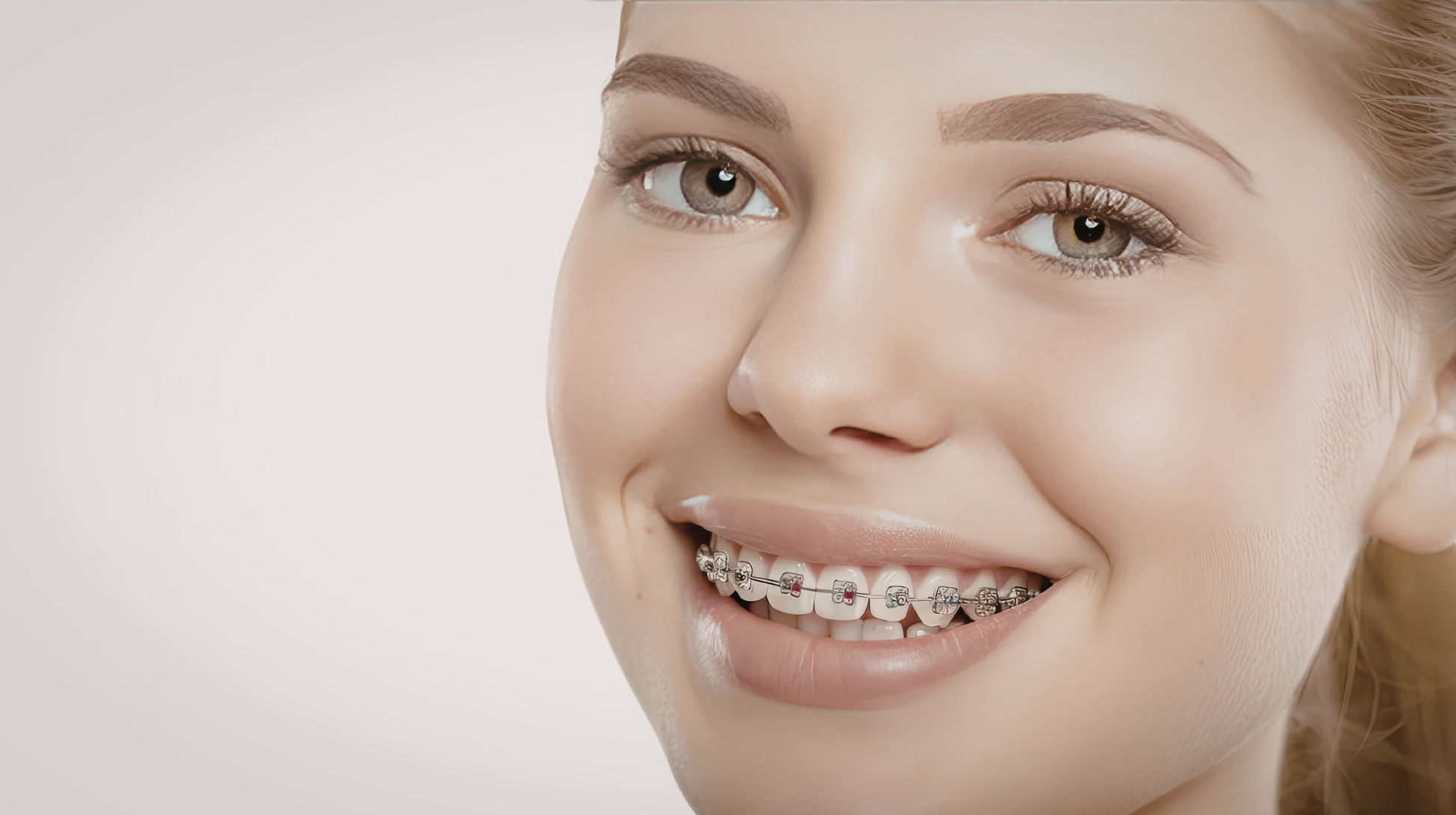
Braces or Invisalign? It’s the single most common question we hear in our Ottawa consultation room. Short answer: both work. Longer answer: which one is best depends on your specific case, your lifestyle, your budget, and — honestly — how disciplined you are about wearing something 22 hours a day.
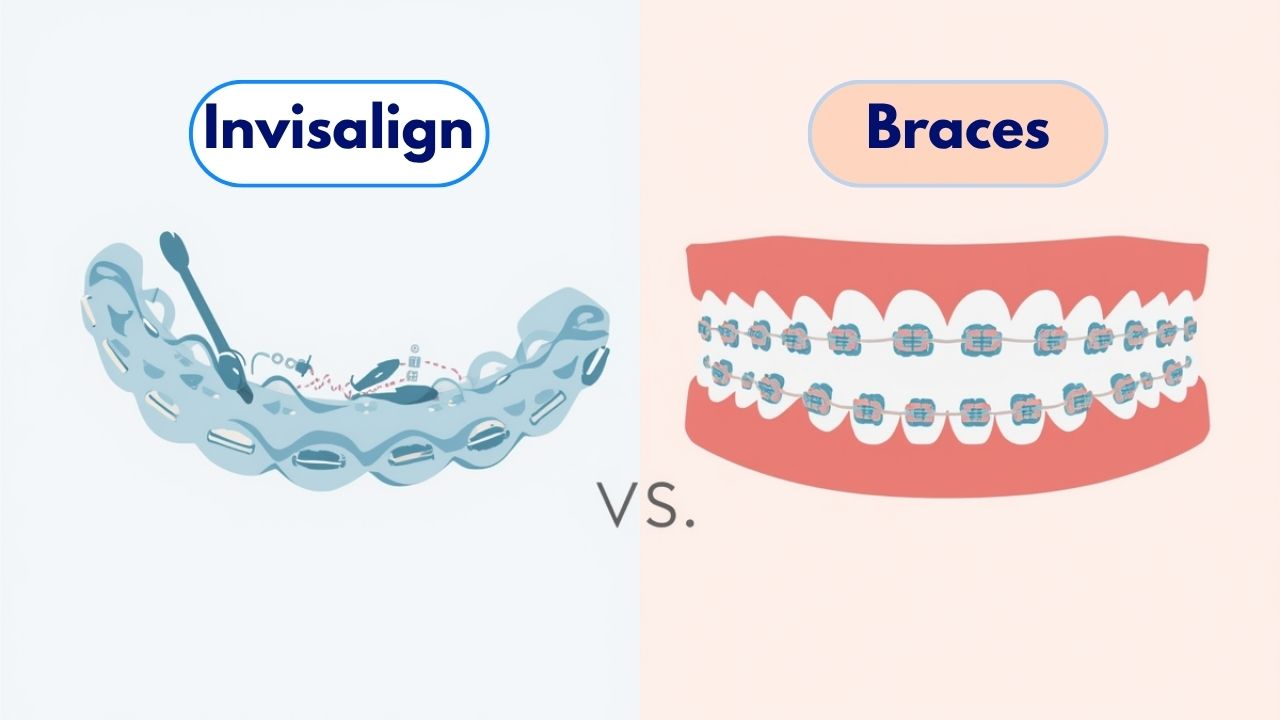
Braces or Invisalign? It’s the single most common question we hear in our Ottawa consultation room. Short answer: both work. Longer answer: which one is best depends on your specific case, your lifestyle, your budget, and — honestly — how disciplined you are about wearing something 22 hours a day.
This is a side-by-side comparison written by a practicing orthodontist. No hype, no sales angle. Just the real differences between these two treatments in 2026, and a simple framework to help you pick.
If you want the quick version: for most mild-to-moderate cases, Invisalign and braces produce essentially identical results in similar time frames at similar costs. For very complex cases — major rotations, jaw surgery, impacted teeth — braces still have the edge. For patients who care deeply about discretion, Invisalign wins. For patients who won’t reliably wear removable trays, braces are safer.
Everything else below is the nuance behind that summary.
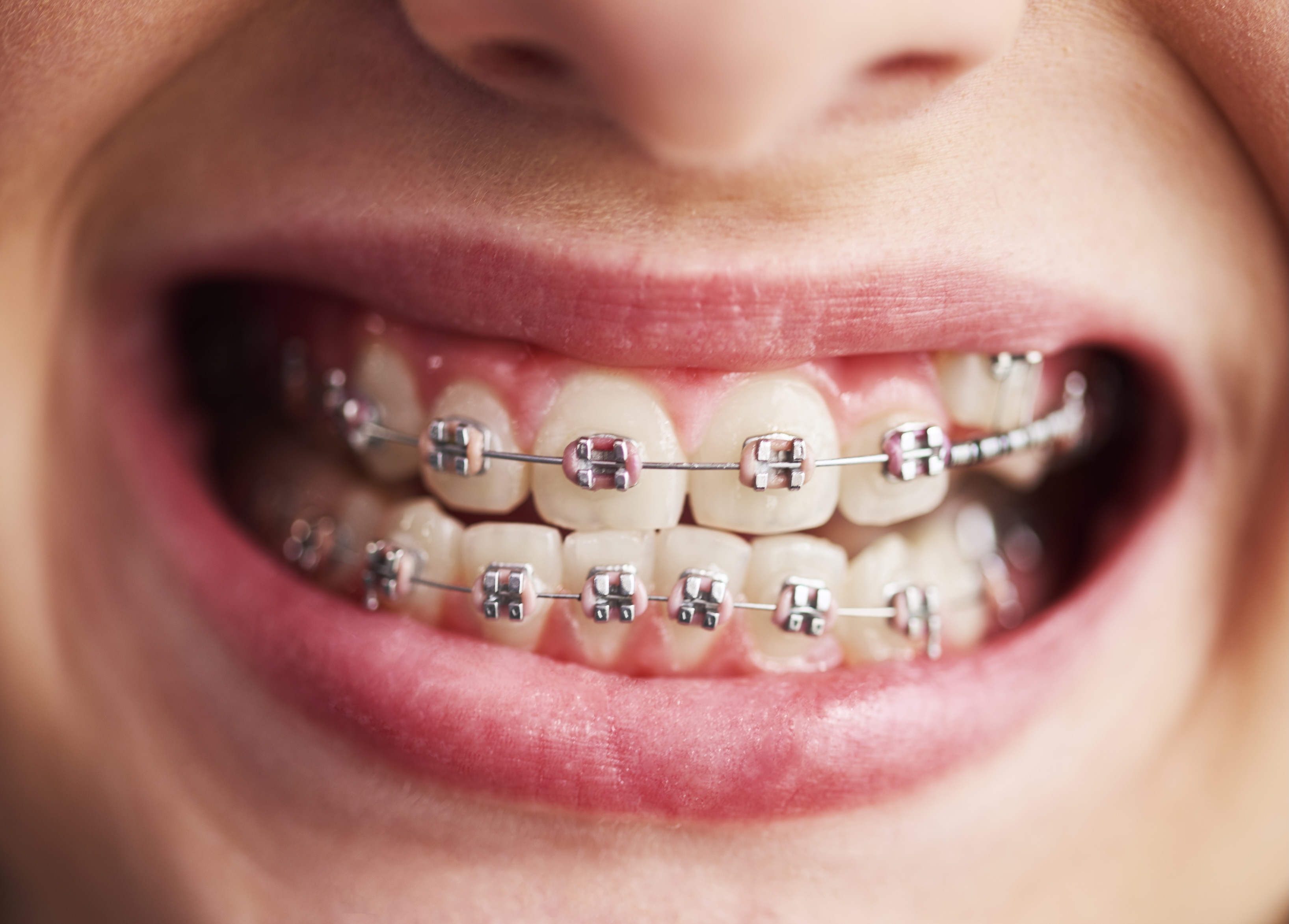
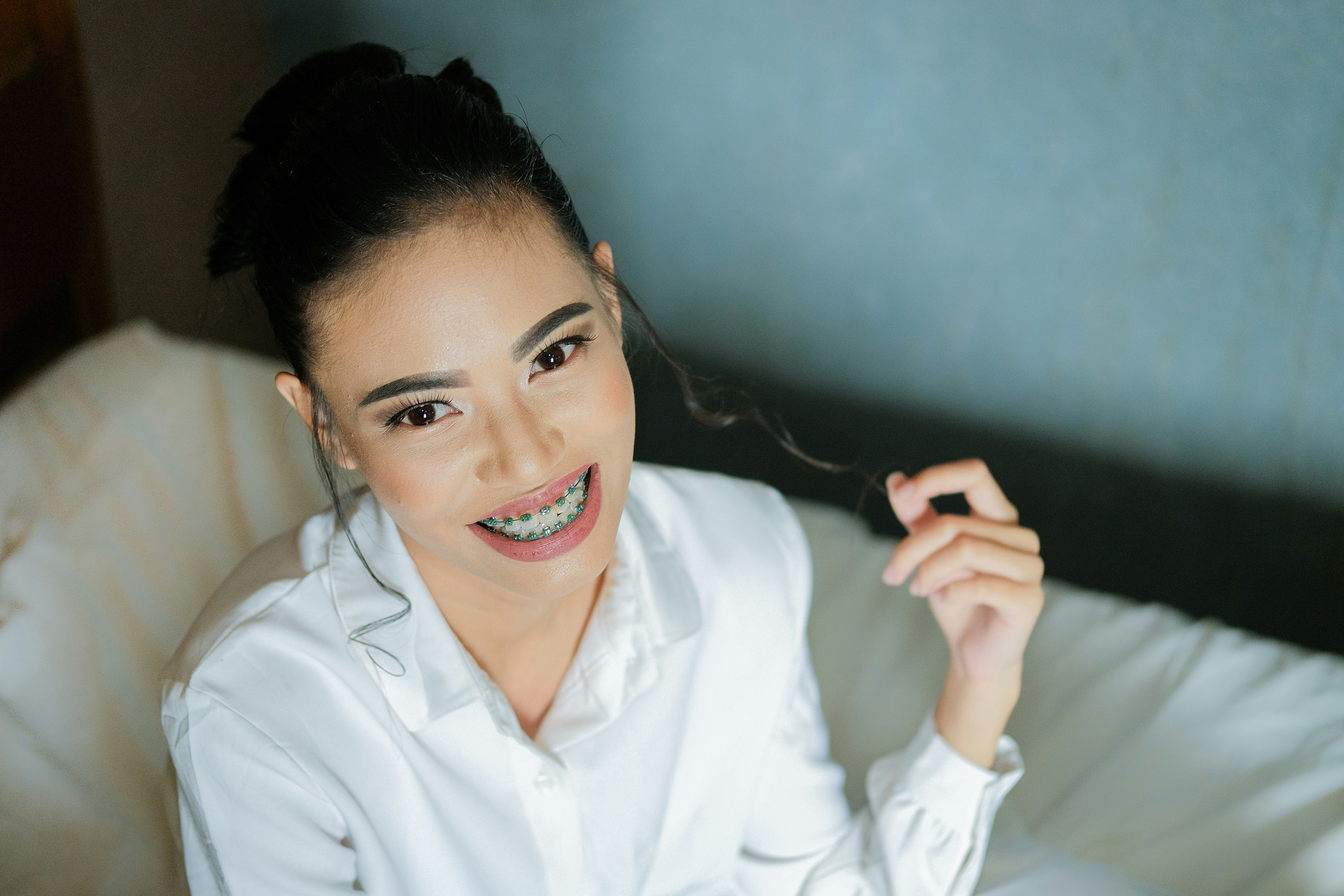
Braces: visible. Metal brackets are obvious; ceramic (clear) brackets are less so but still noticeable up close. Invisalign: effectively invisible. Most people won’t know you’re wearing aligners unless you point it out. Winner: Invisalign, clearly.
For similar cases, both finish within a few months of each other. Most Ottawa Invisalign cases finish in 12–18 months; most braces cases finish in 18–24 months. But the gap narrows for complex cases, where braces are often faster because they apply force more directly. Winner: slight edge to Invisalign for simpler cases; braces for complex ones.
Braces: a day or two of soreness after placement and after each tightening; some cheek irritation at the start. Invisalign: pressure for 1–2 days each time you switch to a new tray, but no brackets to scratch the inside of your lip. However, Invisalign requires discipline — every meal, every snack, you take them out and put them back in. Winner: tie, with different trade-offs.
Braces: no popcorn, bagels, whole apples, caramel, or gum. You’ll need to get very good at flossing around brackets. Invisalign: you take them out to eat, so no food restrictions — but you must brush after every meal before putting them back in. Winner: Invisalign for food freedom, tie for hygiene (it depends on the patient).
In experienced hands, both produce excellent results. Braces are still slightly more predictable for very complex rotations, vertical movements, and cases requiring heavy elastic use. Invisalign has improved dramatically since 2020 and handles the vast majority of cases beautifully. Winner: essentially tied — with a small edge to braces for the most complex 5% of cases.
Typical all-in Ottawa pricing:
• Metal braces: $4,000 – $6,500
• Ceramic braces: $4,800 – $7,500
• Invisalign Lite: $2,500 – $4,500
• Invisalign Comprehensive: $5,000 – $8,500
The overlap is substantial. For the same clinical problem, Invisalign and braces usually come out within a few hundred dollars of each other. Insurance treats them identically in almost every plan we see in Ottawa.
As much as we love Invisalign, there are cases where we steer patients toward braces:
• Very severe crowding (8+ mm) that requires extractions and significant tooth movement
• Jaw surgery cases where an oral surgeon needs fixed appliances to wire jaws
• Cases involving impacted canines or other teeth that need to be guided into position
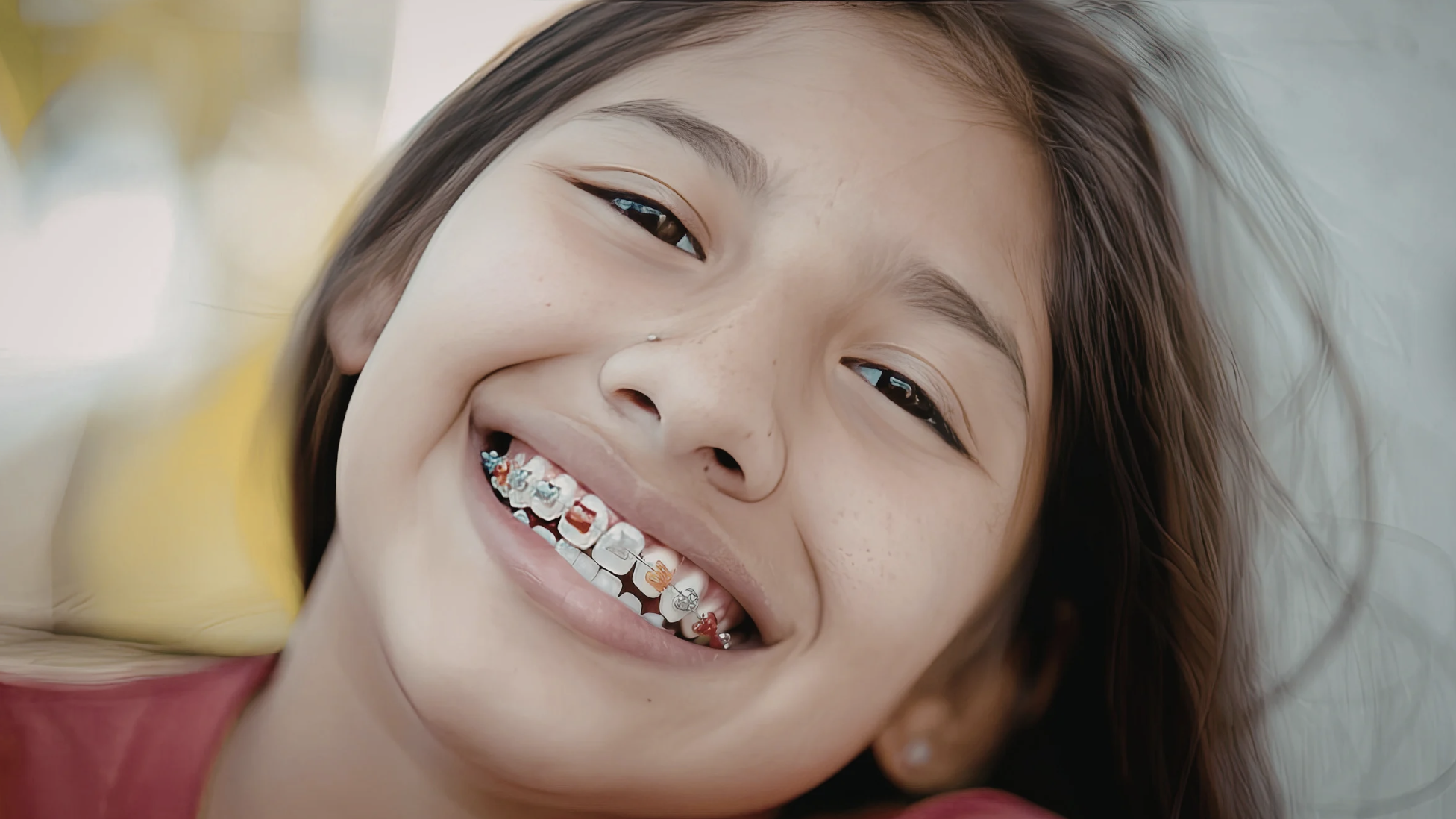
• Patients who know themselves and know they won’t wear aligners 22 hours a day — especially teens still developing responsibility
• Patients who can’t afford to lose or damage aligners frequently
And here’s when we lean toward Invisalign:
• Adults in client-facing or public-facing roles
• Patients who have had braces before and are experiencing minor relapse
• Patients with a history of gum disease — aligners are easier to clean around than brackets
• Mild to moderate crowding, spacing, or bite issues
• Musicians, especially brass and woodwind players, whose performance would be disrupted by brackets
• Athletes in contact sports, for whom aligners double as a light mouthguard during the day
Invisalign has one requirement that braces don’t: you have to actually wear the aligners. For adults, this is rarely an issue. For teenagers, it’s a real conversation.
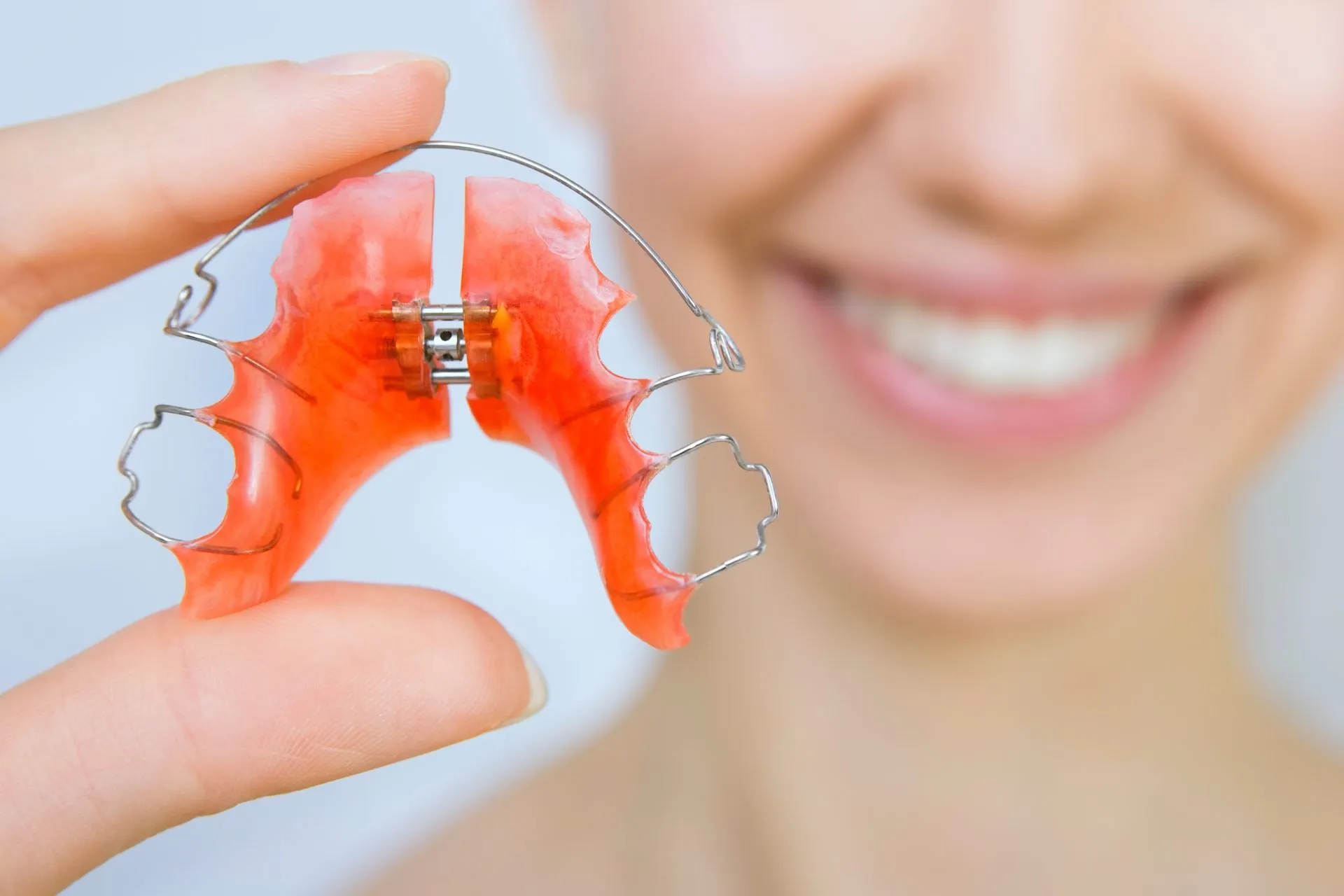
If your teen won’t wear a retainer, they likely won’t wear aligners. For these patients, braces are the safer, faster, and ultimately cheaper option — even if Invisalign sounded nicer on paper. A good Ottawa orthodontist will ask pointed questions about this at the consultation and help you decide honestly, not just sell you the treatment that looks better in a marketing photo.
If you answer yes to most of these, lean Invisalign:
1. Do you care about how the treatment looks day-to-day?
2. Can you commit to wearing something 22 hours a day?
3. Is your case mild to moderate?
4. Do you want the flexibility to remove your appliance for big events?
If you answer yes to most of these, lean braces:
5. Is your case complex — heavy crowding, open bite, impacted teeth?
6. Are you worried about compliance?
7. Do you prefer a “set-it-and-forget-it” appliance?
8. Is your budget tight, and do you want the most cost-effective solution for complex work?
If you’re still unsure, the best move is a free consultation with an orthodontic specialist. A good one will tell you which is better for your specific case, not which sells better.
Use this section as-is for on-page FAQ content and wrap with FAQPage JSON-LD schema for better SERP visibility.
For mild to moderate cases, yes — Invisalign often finishes 2–4 months sooner. For complex cases, the two treatments are comparable, with braces sometimes winning on speed.
The vast majority of cases, yes. There are still a small percentage of complex cases — severe rotations, impacted teeth, surgical cases — where braces are more predictable. A specialist will tell you clearly which category you fall into.
Much less so. Attachments are small tooth-coloured bumps — about the size of a grain of rice — bonded to a few teeth. They’re visible at close range but nowhere near as noticeable as brackets.
Both are considered pressure, not pain. Surveys of Ottawa orthodontic patients consistently rate Invisalign as slightly more comfortable — mostly because there are no brackets irritating the cheeks. The tooth-moving sensation itself is similar.
In most cases, yes — but it isn’t usually recommended unless there’s a medical or practical reason. Switching adds cost and may extend your total treatment time. A good orthodontist will help you weigh the trade-offs honestly.
Still weighing braces versus Invisalign? Book a free consultation at Riverside Orthodontics. We’ll examine your case, show you a 3D simulation of both options, and give you an honest recommendation — with full pricing, in writing.