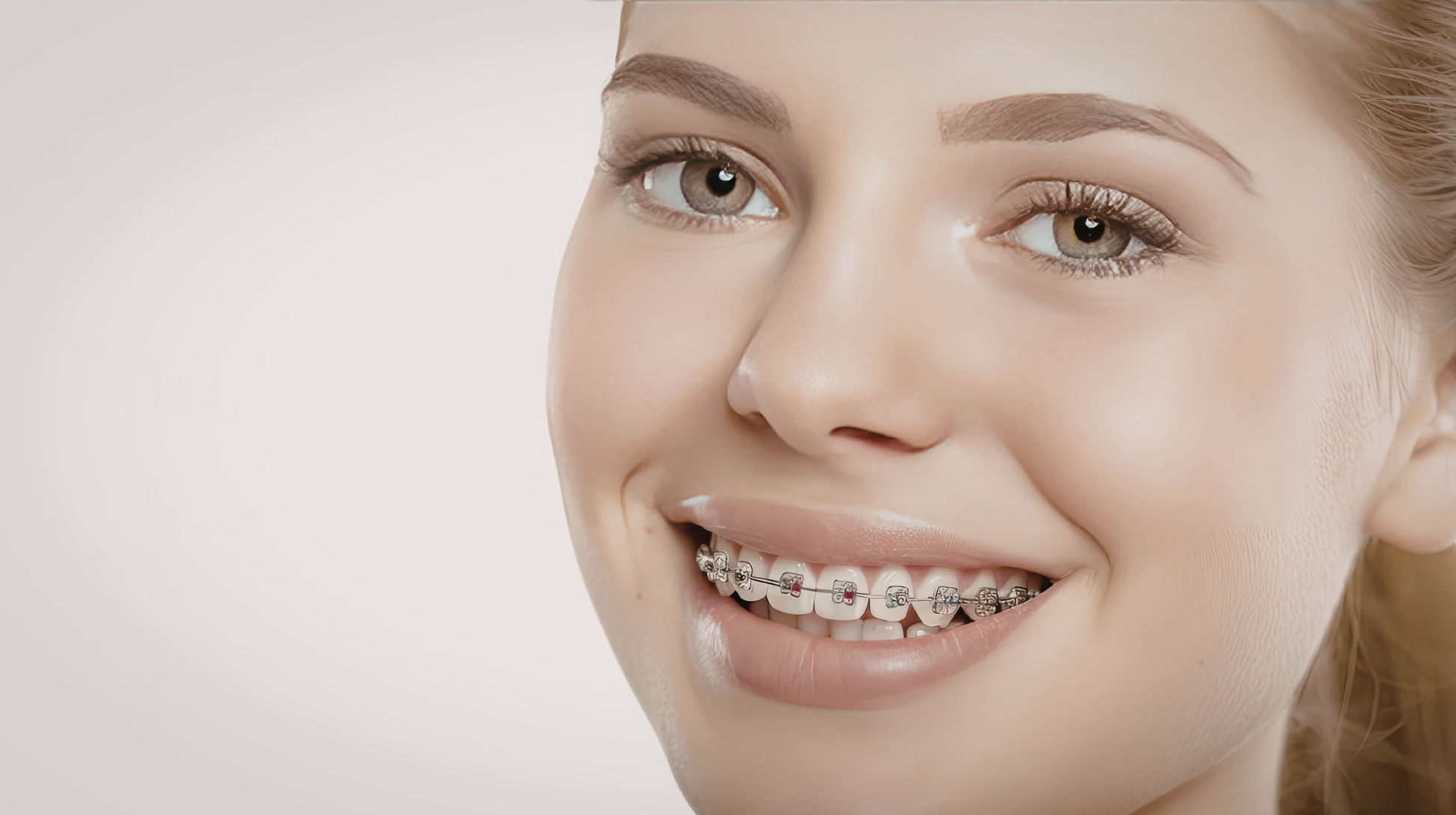
Most parents bring their child to an orthodontist for the first time somewhere between ages 11 and 14 — usually after all the baby teeth are out. The Canadian Association of Orthodontists (and the American Association, and every major orthodontic body in the world) recommends something quite different: a first check-up by age 7.
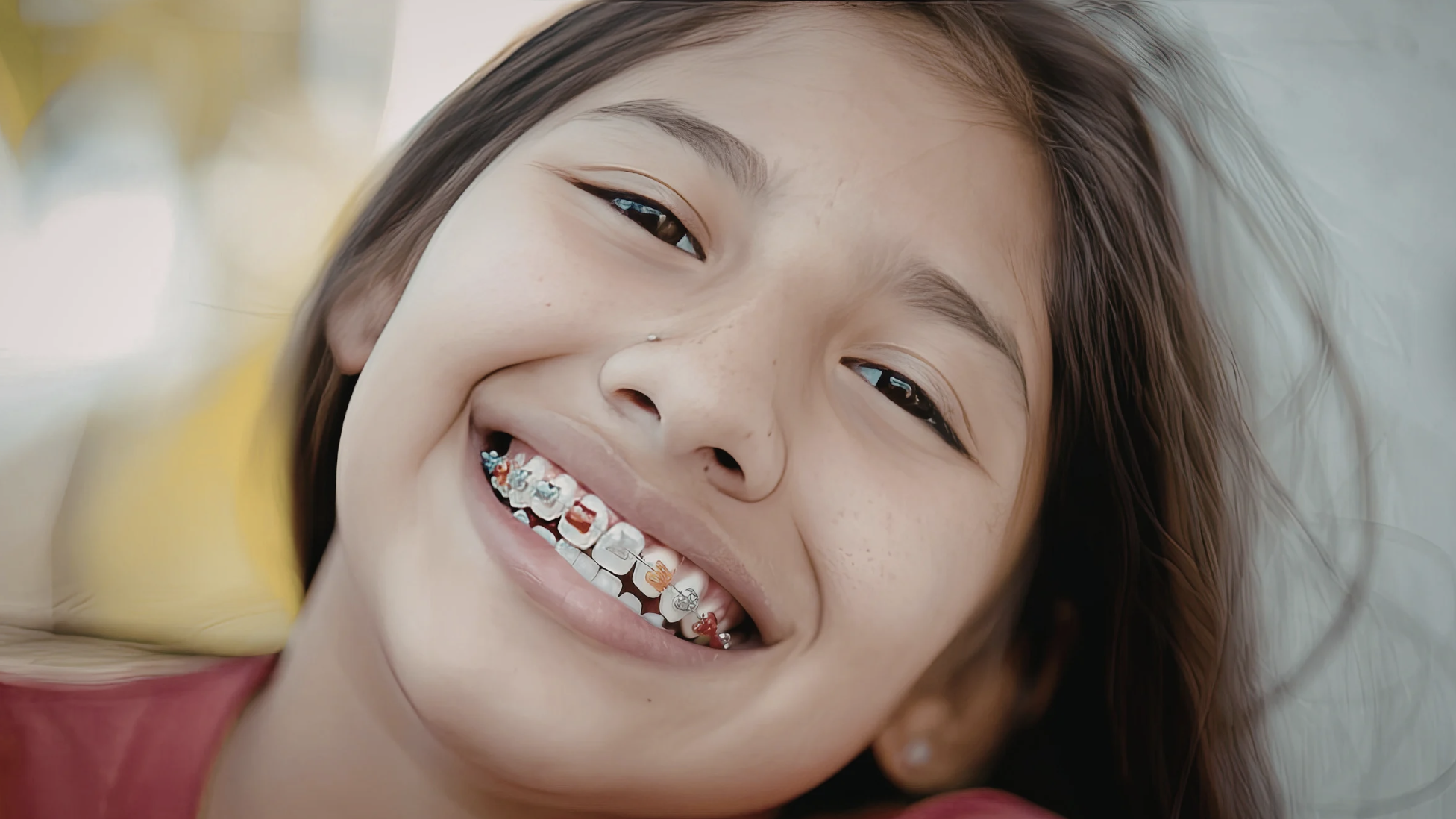
Most parents bring their child to an orthodontist for the first time somewhere between ages 11 and 14 — usually after all the baby teeth are out. The Canadian Association of Orthodontists (and the American Association, and every major orthodontic body in the world) recommends something quite different: a first check-up by age 7.
That advice surprises most parents. Age 7 feels early — their child still has baby teeth. But the reason is simple: certain problems are far easier to fix while the jaws are still growing. Miss the window, and the same problem can take twice as long, cost twice as much, or in some cases require surgery later.
This article explains the age-7 rule in plain language, the signs that mean you shouldn’t wait, and what actually happens at your child’s first visit.
Around age 6 or 7, the first adult molars erupt in the back, and the permanent front teeth start coming in. For the first time, an orthodontist can see how the upper and lower jaws are relating to each other with adult teeth present. That’s the moment most subtle but important issues become visible.
The child’s face is also growing rapidly, which means an orthodontist can gently guide jaw development if needed. Once facial growth slows down (around 12–14 for girls and 14–16 for boys), those same problems become much harder to address without more invasive treatment.
The age-7 visit is rarely about treatment
In 90% of cases, the age-7 evaluation results in a reassuring “everything looks great, see you in a year.” The value is in catching the 10% of cases where early, simple action prevents major work later.
1. Teeth that stick out noticeably in the front (upper or lower)
2. A lower jaw that juts forward past the upper teeth (underbite)
3. Teeth that don’t meet properly when biting down (open bite, crossbite)
4. Visible crowding — teeth overlapping or pushed out of line
5. Early or late loss of baby teeth (before 5 or after 7)
6. Mouth breathing or snoring at night
7. A thumb-sucking habit that persists past age 5 or 6
8. Difficulty chewing or biting into food
9. Jaws that shift, click, or make noise when opening
10. Speech issues tied to tooth position — especially S, F, and TH sounds
If you’ve noticed any of these, an evaluation is worth booking now rather than waiting. Most of these are easier to correct during active growth.
Phase 1 (also called early interceptive treatment or two-phase treatment) is a short burst of orthodontic work done while a child still has a mix of baby and adult teeth, usually ages 7–10.
Phase 1 isn’t meant to straighten every tooth. It’s meant to fix structural issues — jaw alignment, bite relationships, growth patterns — so that by the time full treatment comes later, it’s shorter, easier, and produces a more stable result.
Common Phase 1 appliances include:
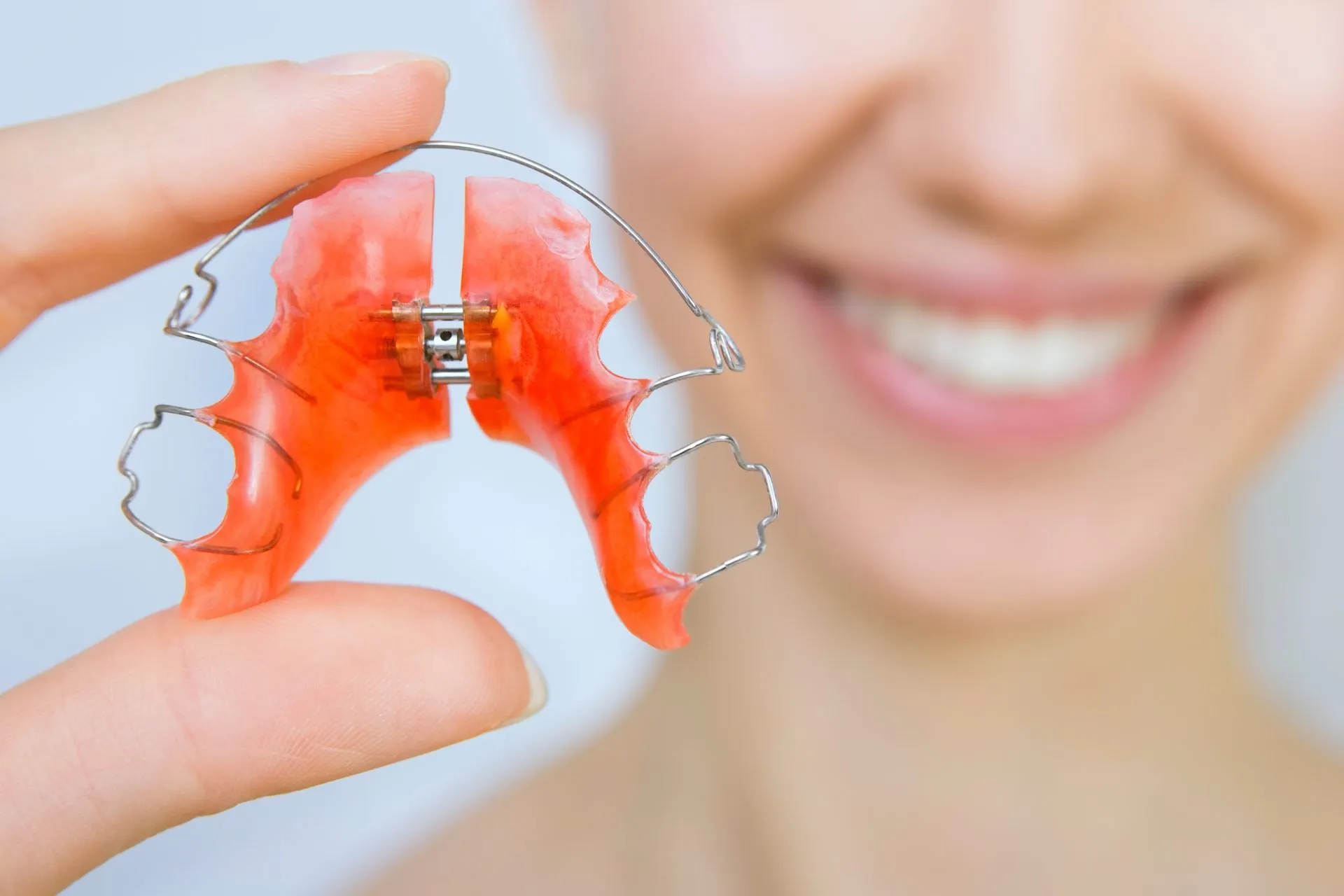
• Palate expanders — widen a narrow upper jaw to make room for adult teeth and correct crossbites
• Partial braces on a few upper teeth — to align a developing front bite
• Habit appliances — to gently stop thumb or tongue habits that are pushing teeth out of place
• Space maintainers — when a baby tooth is lost too early, these hold space for the adult tooth
Phase 1 is not “braces twice” in the scary sense. It’s a short, targeted intervention — typically 9 to 15 months — followed by a “resting phase” of a few years, then a shorter, simpler Phase 2 if still needed.
A first orthodontic evaluation in Ottawa is usually complimentary and takes about 30 minutes. Here’s what to expect:
11. A friendly hello and a quick tour of the office (most clinics are intentionally kid-friendly and not at all stressful)
12. A short conversation about your child’s dental history and any concerns
13. A clinical exam where the orthodontist looks at teeth, bite, jaws, and soft tissues
14. Sometimes a panoramic X-ray to see developing adult teeth under the gums
15. A clear recommendation: monitor every 6–12 months, start Phase 1 now, or wait for all adult teeth
There’s no obligation to start treatment. A good Ottawa orthodontist will tell you honestly if your child is fine and doesn’t need to be seen for a year or more.
Don’t stress. Age 7 is the recommended first visit, not a deadline. Most children who need orthodontic treatment do it between 11 and 14, and excellent results are absolutely possible starting then.
That said, if you’ve noticed any of the red flags listed above and your child is already 9, 10, or 11, don’t wait for your family dentist to mention it. Book a free evaluation now — early intervention in late-childhood is still meaningfully easier than the same intervention at 14.
Phase 1 treatment in Ottawa typically costs $2,500 – $4,500 depending on the appliance used. If Phase 2 is later needed, it’s usually billed as a separate (reduced) fee, often $3,500 – $5,500, because the child’s case is simpler by that point.
Good news on insurance: most Ottawa private plans that cover orthodontics apply their lifetime maximum across both phases, and many employer plans reset benefits when the child turns 18 — so starting earlier rarely costs you more out-of-pocket.
Often, yes — but usually for a shorter time (6–12 months instead of 18–24) and with a simpler, more stable result. Some children who do Phase 1 don’t need full braces at all, though it’s not something to count on.
For the right child, absolutely. For children without functional problems, it’s usually unnecessary. A specialist evaluation is the only way to know — and it’s free at most Ottawa clinics.
For most kids, yes. For kids with specific jaw or bite issues, waiting means the problem becomes harder (and sometimes impossible) to correct without surgery or extractions later. That’s the whole reason for the age-7 evaluation.
No. In Ontario, parents can book directly with an orthodontist without a dentist referral. That said, bringing recent X-rays or notes from your family dentist can save time.
If no treatment is needed, a check-up every 6–12 months through age 11 is sufficient. This is called an observation period, and it’s usually offered free of charge at most Ottawa clinics.
If you’re in Ottawa and wondering whether your child is on track, book a complimentary age-7 evaluation at Riverside Orthodontics. No referral needed, no pressure — just an honest professional look at your child’s developing smile.