If your teen is between 12 and 16, there’s roughly a 50/50 chance someone — a dentist, a friend, a grandparent — has mentioned braces. Most teens in Ottawa do get some form of orthodontic treatment, and for good reason: the teenage years are the sweet spot. Adult teeth are in, jaws are still growing, and teeth move predictably.This guide is written for Ottawa parents who want the full picture before they sit down with an orthodontist. Options, real costs, compliance tips, and the things the sales pitch won’t tell you.

If your teen is between 12 and 16, there’s roughly a 50/50 chance someone — a dentist, a friend, a grandparent — has mentioned braces. Most teens in Ottawa do get some form of orthodontic treatment, and for good reason: the teenage years are the sweet spot. Adult teeth are in, jaws are still growing, and teeth move predictably.
This guide is written for Ottawa parents who want the full picture before they sit down with an orthodontist. Options, real costs, compliance tips, and the things the sales pitch won’t tell you.
Three reasons orthodontists talk about the teenage “window”:
1. Adult teeth are mostly in by age 12–13, so the orthodontist has a full deck to work with.
2. Bone is still actively remodeling, which means teeth move faster and more comfortably than in adults.
3. Jaw growth is still happening (especially in boys), which lets the orthodontist gently guide bite development rather than correct a fully-formed one.
Miss the window by a few years and everything still works — it just takes longer. Start it too early, and you might be treating baby teeth that are about to fall out anyway. Between 11 and 14 is typically ideal for full comprehensive treatment in Ottawa.
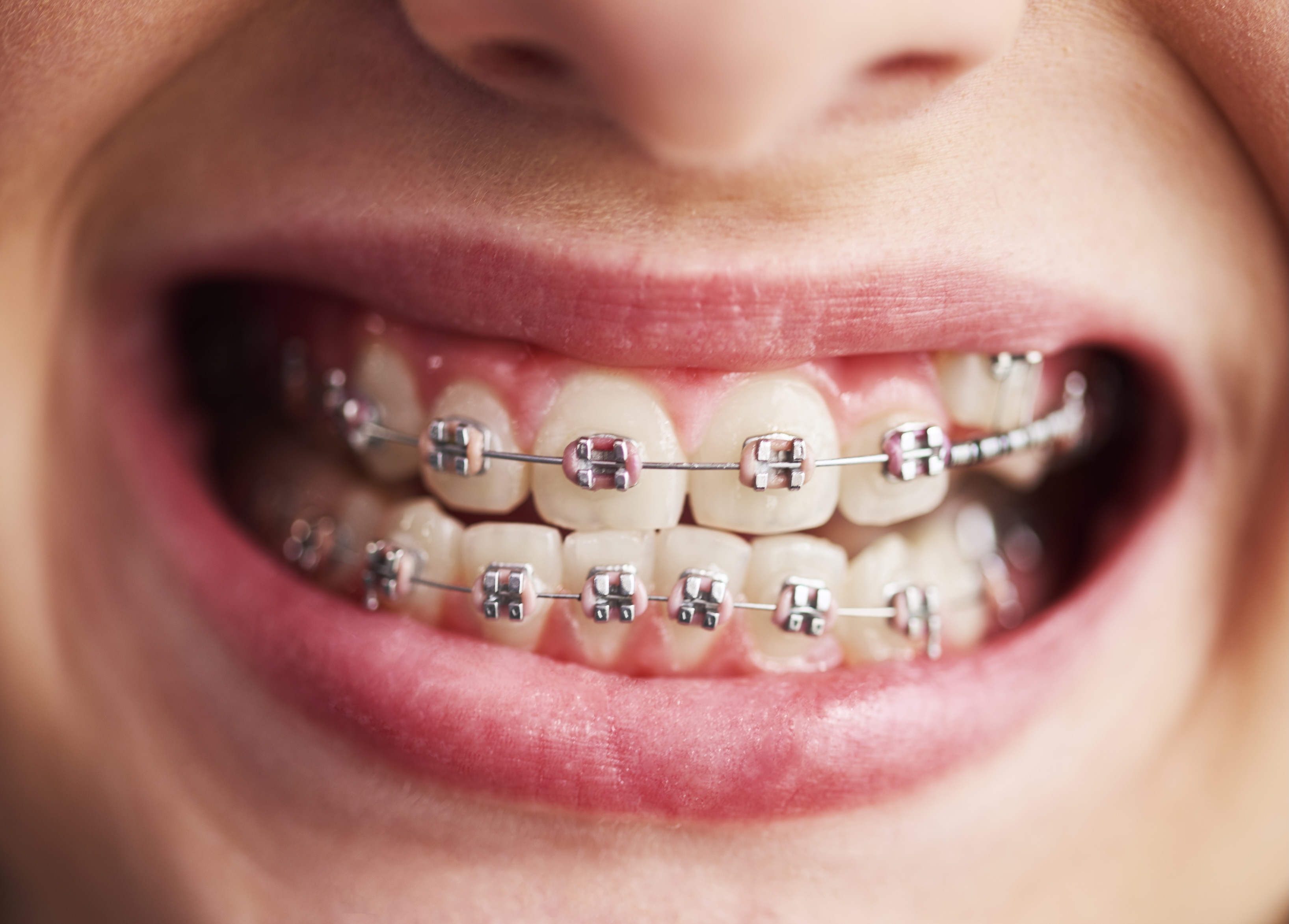
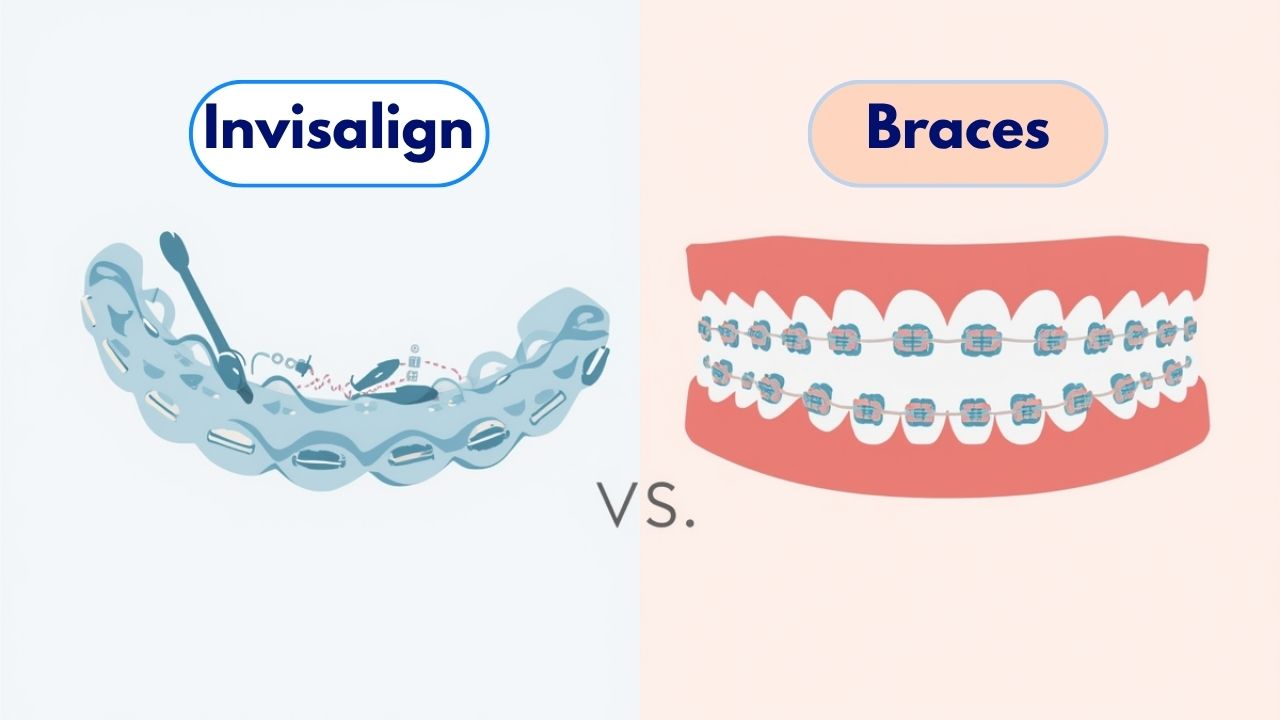
The workhorse. Still the most common choice for teens because they’re reliable, indestructible, and cost-effective. Modern metal braces are smaller and more comfortable than the ones today’s parents wore in the 1990s.
Cost in Ottawa 2026: $4,000 – $6,500
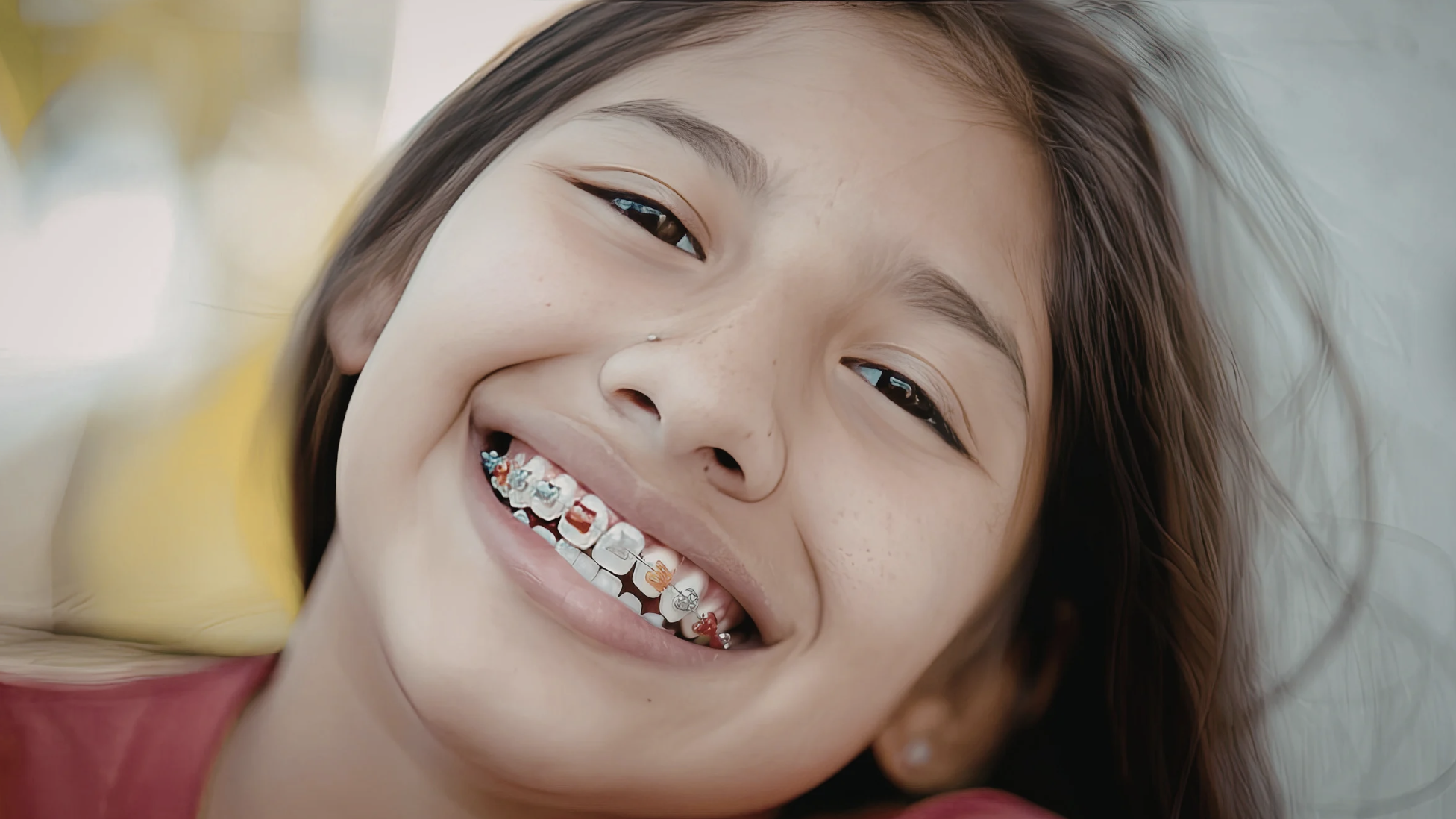
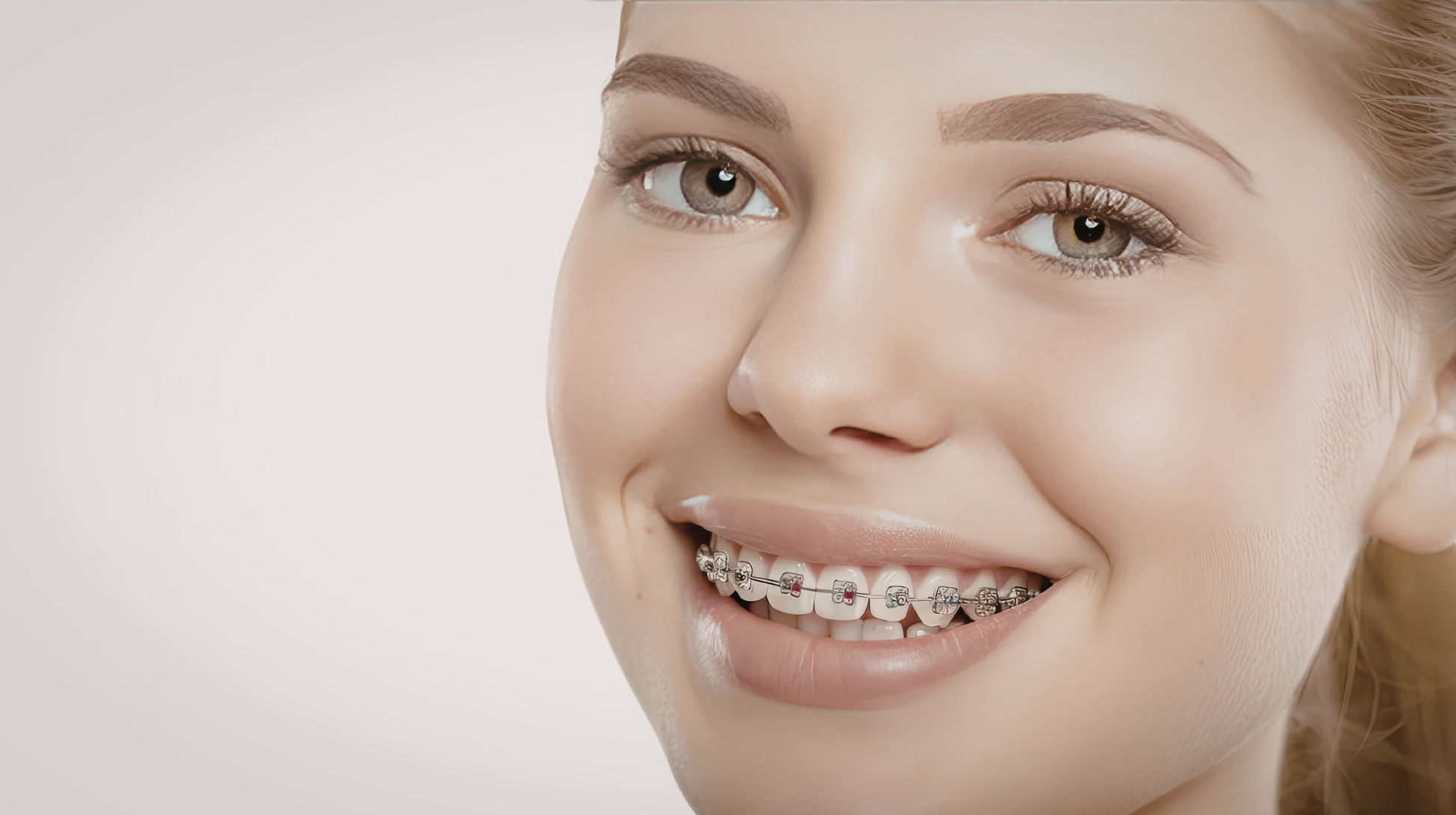
Same mechanics as metal, but tooth-coloured. Great for teens who are self-conscious about their smile but don’t want Invisalign. Slightly more fragile than metal; not usually recommended for teens who play contact sports.
Cost in Ottawa 2026: $4,800 – $7,500
A full Invisalign treatment designed specifically for teens, with built-in compliance indicators (blue dots that fade with wear) and free replacement aligners if any get lost. Works beautifully for responsible teens with moderate cases.
Cost in Ottawa 2026: $5,500 – $7,500
A newer bracket style with a built-in clip. Fewer adjustment appointments in some cases. Quality of result is excellent. Usually a few hundred dollars more than standard metal.
Cost in Ottawa 2026: $5,500 – $8,000
On paper, Invisalign Teen looks perfect: clear, removable, eat whatever you want. In practice, it has one requirement that trumps everything else: your teen has to actually wear them 22 hours a day.
Questions to ask yourself honestly before picking Invisalign for your teen:
• Does your teen reliably wear a retainer, mouthguard, or any other removable appliance when asked?
• Will they remember to take them out for meals, brush after, and put them back in?
• Are they mature enough to keep aligners in a case instead of wrapping them in a napkin (the #1 reason aligners are accidentally thrown out)?
• Are they motivated — not just agreeable — about the treatment?
If those answers are all confident yeses, Invisalign Teen is fantastic. If any of them are a maybe, braces are a safer investment. A good Ottawa orthodontist will ask these same questions at your consultation and give you a straight recommendation.
A typical comprehensive Ottawa teen case:
• Duration: 18 to 24 months
• Appointments: every 6–10 weeks, 15–30 minutes each
• Emergencies (loose bracket, lost aligner): 1–3 times on average
• Diet changes: no popcorn, gum, caramel, or whole apples while in braces
• Retainers: every night for life, starting the day braces come off
Most teens settle into the routine within the first month. The hardest week is the first one — everything feels new and a little sore. By week two, most teens barely notice the appliance anymore.
4. Build the routine around existing habits. Brushing after dinner + aligner switch on Sunday night = easy weekly rhythm.
5. Keep a mini orthodontic kit in your teen’s backpack: wax, a small mirror, a travel toothbrush, and a spare aligner case.
6. Protect the investment: a custom mouthguard is non-negotiable for contact sports, and usually under $100.
7. Use the free orthodontic app. Invisalign’s app sends reminders; most clinics have their own check-in platforms for teens.
8. Don’t nag, inspect. Once a week, ask to see the aligners or look at the brackets while brushing. A minute of eyeballs keeps things on track for months.
9. Book appointments strategically. Many Ottawa clinics offer after-school and Saturday slots — book those early in the term before they fill up.
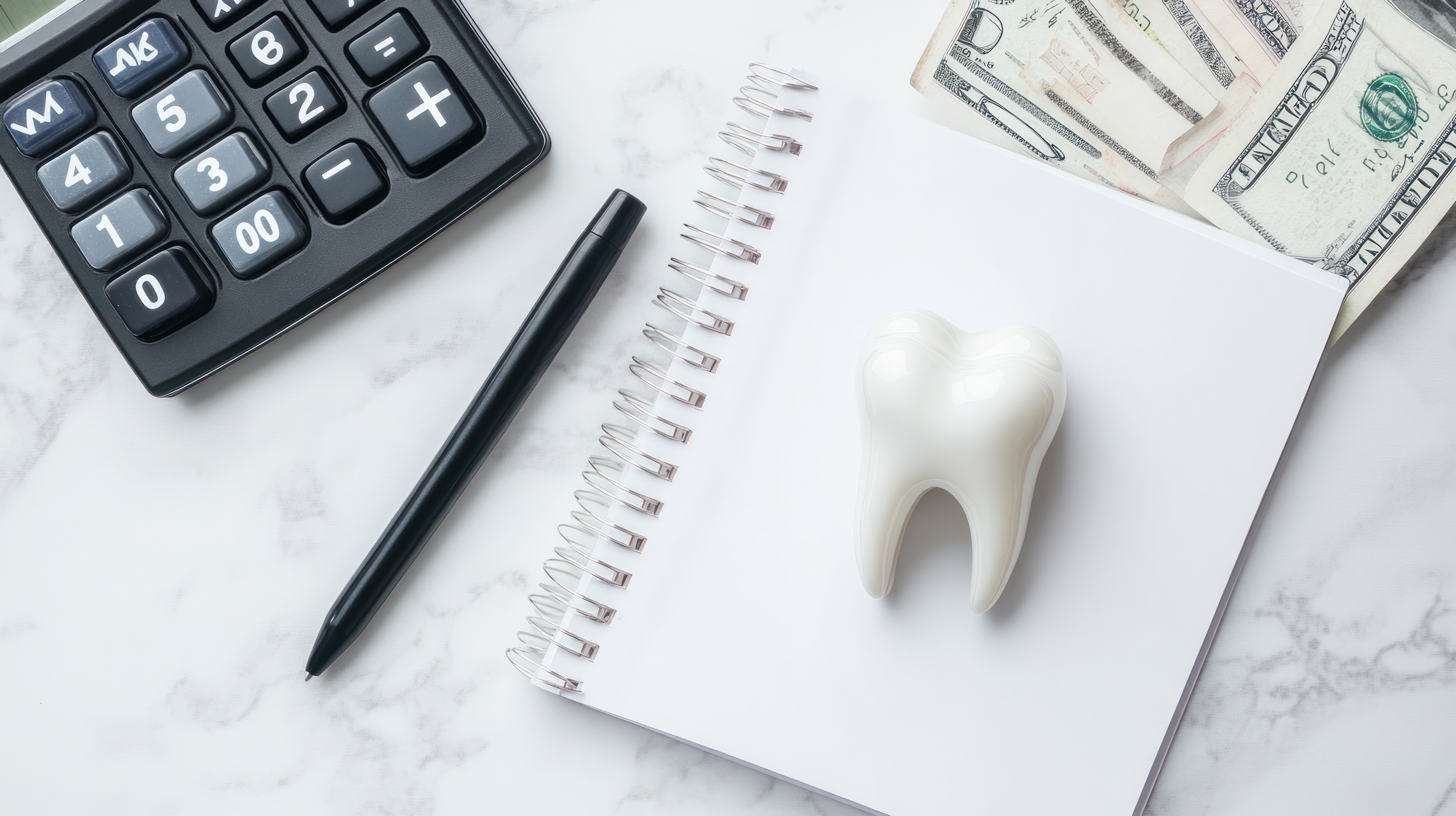
Most Ottawa teen braces cases land between $4,500 and $7,500 all-in. Insurance tends to cover $1,500–$3,500 as a lifetime benefit per child.
Key things to know for Ottawa parents:
• If both parents have dental coverage, you can often stack benefits (called coordination of benefits)
• Start treatment before age 18 if possible — some plans drop orthodontic coverage at 18 or 21
• Monthly interest-free payment plans are standard ($150–$300/month range is typical)
• Out-of-pocket portions are eligible medical expenses on your Canadian tax return
If your teen is ready for braces or Invisalign, book a complimentary consultation at Riverside Orthodontics in Ottawa. We’ll examine your teen, review all the options honestly, and give you a written quote — with flexible monthly payment plans — to take home.