Invisalign has quietly taken over orthodontics in Ottawa. Ten years ago, about one in four of our adult patients asked about clear aligners. In 2026, it’s closer to nine in ten. The technology has genuinely gotten that good — but not every smile is a great Invisalign candidate, and the prices you see advertised rarely tell the whole story.

Invisalign has quietly taken over orthodontics in Ottawa. Ten years ago, about one in four of our adult patients asked about clear aligners. In 2026, it’s closer to nine in ten. The technology has genuinely gotten that good — but not every smile is a great Invisalign candidate, and the prices you see advertised rarely tell the whole story.
This is an honest, specialist-written breakdown of Invisalign in Ottawa in 2026: what it actually costs, how the process unfolds week by week, which cases it handles beautifully, and which cases you should still be cautious about. No sales pitch. Just the information we’d give a friend.
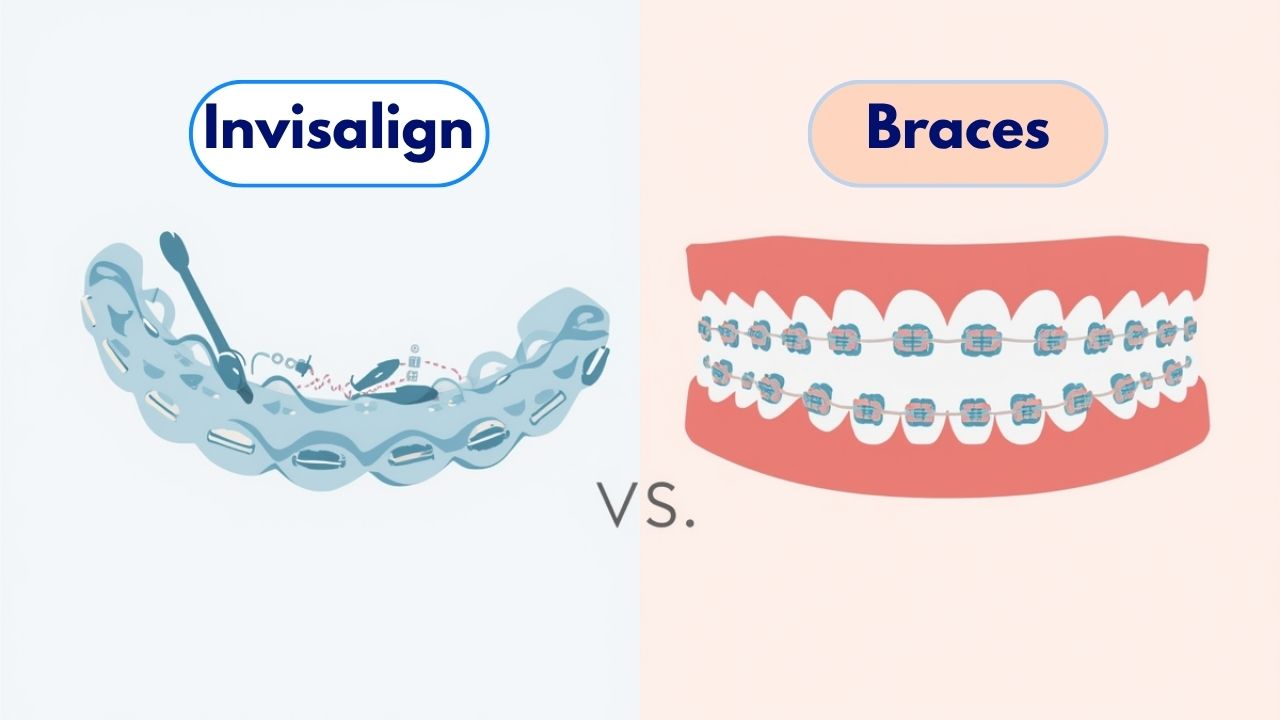
Invisalign is a series of custom-made clear plastic trays — called aligners — that gently move your teeth into place. You wear each tray for about one to two weeks, 20–22 hours a day, then swap to the next one. Over the course of treatment you’ll typically go through anywhere from 14 to 60 sets of aligners depending on how much movement you need.
Aligners apply continuous, controlled force to specific teeth. Small tooth-coloured bumps called “attachments” are often bonded to a few teeth to help the aligners grip and rotate them. These are removed painlessly when treatment ends.
Invisalign is made by Align Technology. In Canada, only licensed dentists and orthodontists can prescribe it, and the treatment is always planned and supervised by a doctor — there’s no mail-order version of real Invisalign.
In Ottawa, Invisalign typically runs between $4,500 and $8,500 in 2026, depending on complexity. Here’s a rough breakdown of what different cases cost:
• Invisalign Express / Lite (minor crowding, up to 7 aligners): $2,500 – $4,500
• Invisalign Moderate (most adult cases, 8–20 months): $5,000 – $6,800
• Invisalign Comprehensive / Full (bite correction, longer cases): $6,500 – $8,500
• Invisalign Teen (adds compliance indicators and free replacements): $5,500 – $7,500
Those ranges are all-inclusive: scans, aligners, check-ups, refinements, and the first set of retainers. Some Ottawa clinics quote artificially low base prices and then charge separately for refinements or retainers. Always ask for the full, all-in number in writing.
Insurance plans through most federal government employers, tech companies, and unions in the Ottawa area typically cover $1,500–$3,500 of orthodontic treatment per lifetime, and Invisalign is almost always covered the same as braces. Monthly interest-free payment plans are standard — at Riverside Orthodontics we offer plans from about $165/month with no interest.
A specialist reviews your goals, takes photos, and does a quick clinical exam. If you’re a candidate, you’ll leave with a written quote and a clear sense of the timeline.
A 3D intraoral scan (no impression goo), digital X-rays, and detailed photos. From these, your orthodontist designs your entire treatment plan on a computer and shows you a simulation of the final result before you commit. This is called ClinCheck.
Your aligners arrive from the Invisalign lab in California. The orthodontist bonds any attachments, hands over your first several trays, and teaches you how to wear them, remove them, and clean them.
Short visits to make sure your teeth are tracking with the plan. Many Ottawa clinics now offer virtual check-ins through a phone app in between in-office visits, which means fewer trips across town.
At the end of your initial set of aligners, if any teeth didn’t track perfectly, your orthodontist will order a second (and sometimes third) series of aligners at no extra cost. Refinements are the rule, not the exception — they’re how we get a great final result.
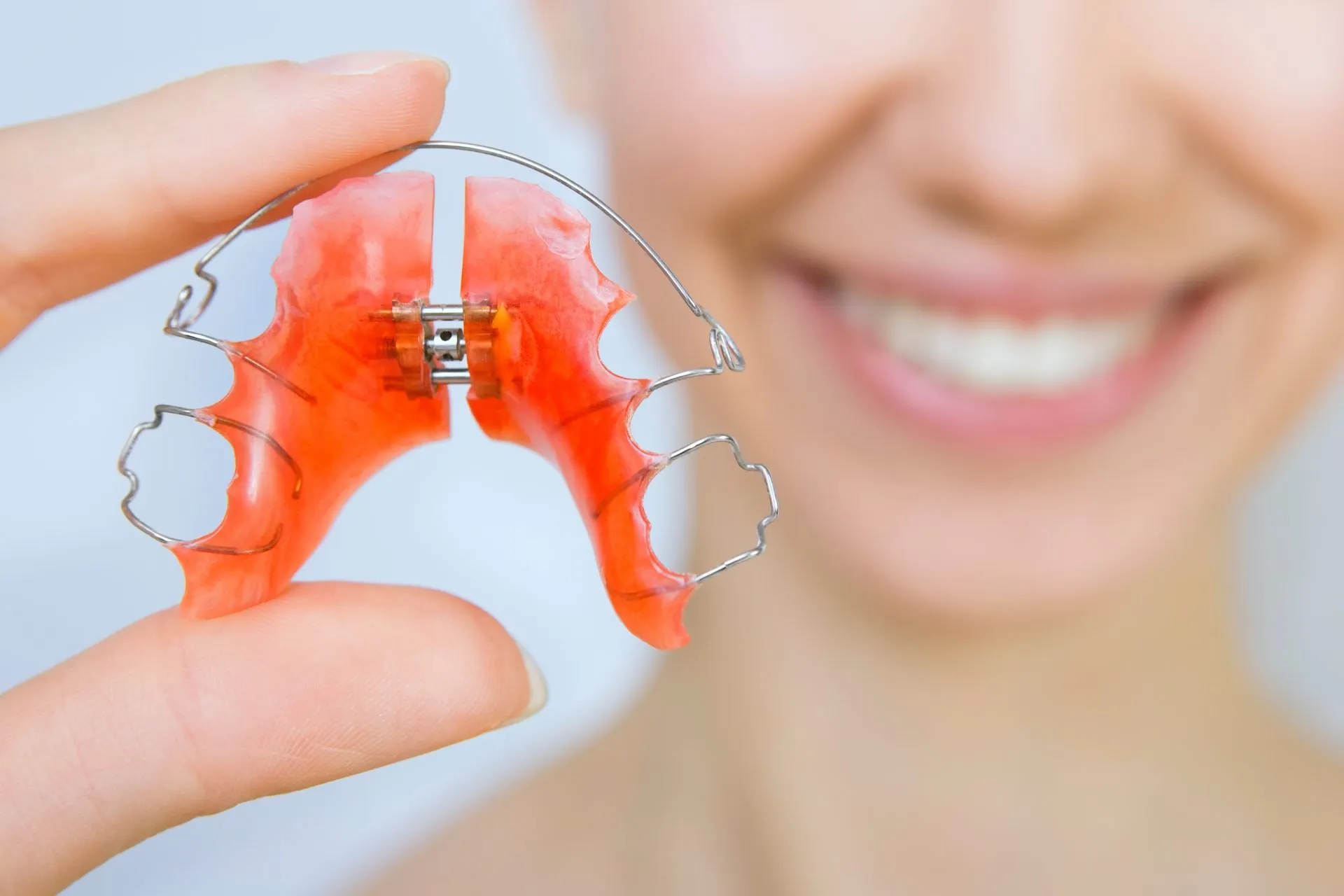
Once your teeth are in place, you switch to retainers. Expect to wear them full-time for several months, then nights only — for life. Teeth move. Retainers are how you keep them.
In experienced hands, Invisalign treats the vast majority of cases just as well as braces. It shines for:
• Mild to moderate crowding and spacing
• Overbites, crossbites, and many open bites
• Adults who want discreet treatment for work or social reasons
• Motivated teens who can commit to wearing their aligners
• Patients with a history of gum disease (easier to keep clean than braces)
• Relapse cases — teeth that shifted after prior treatment
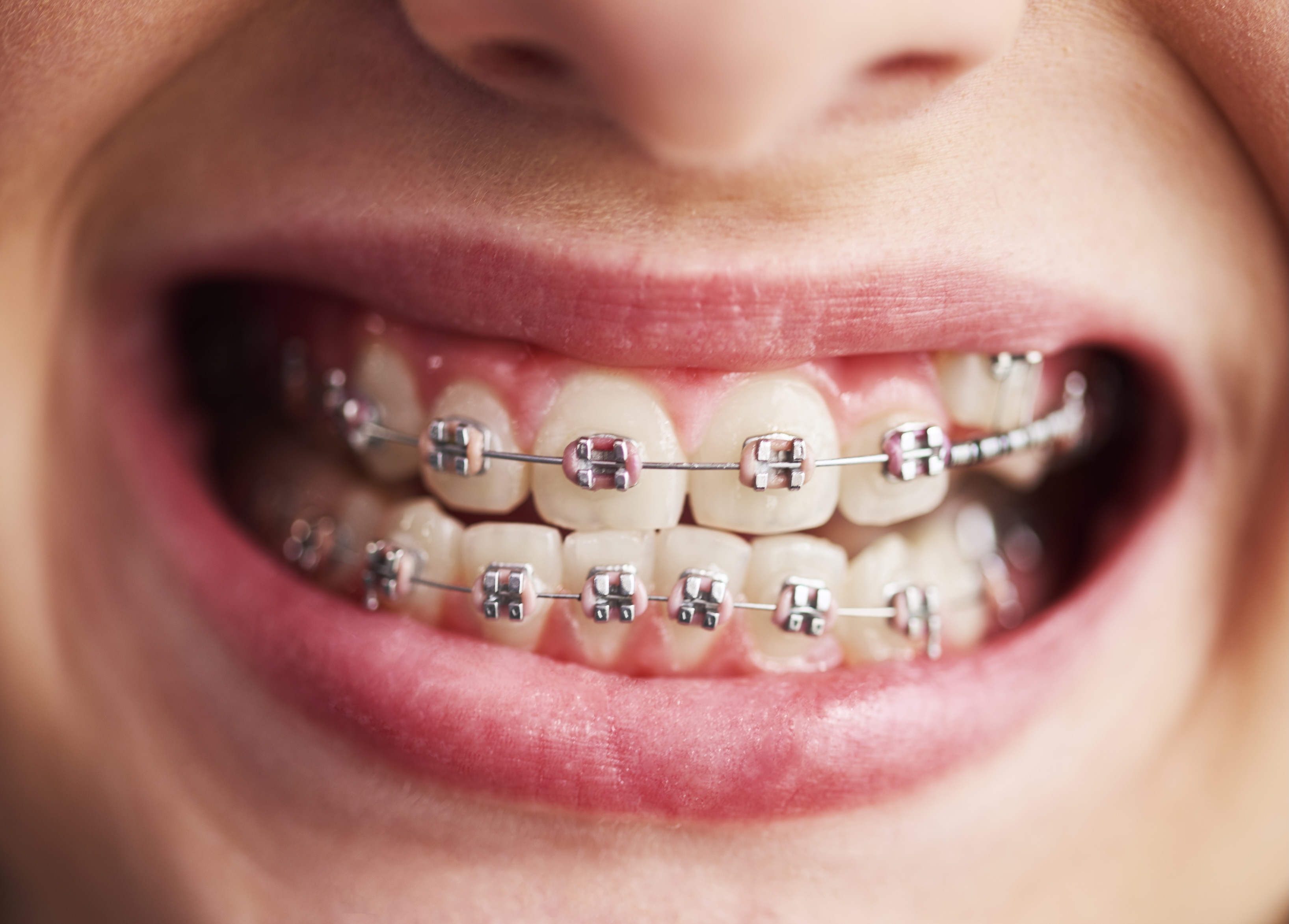
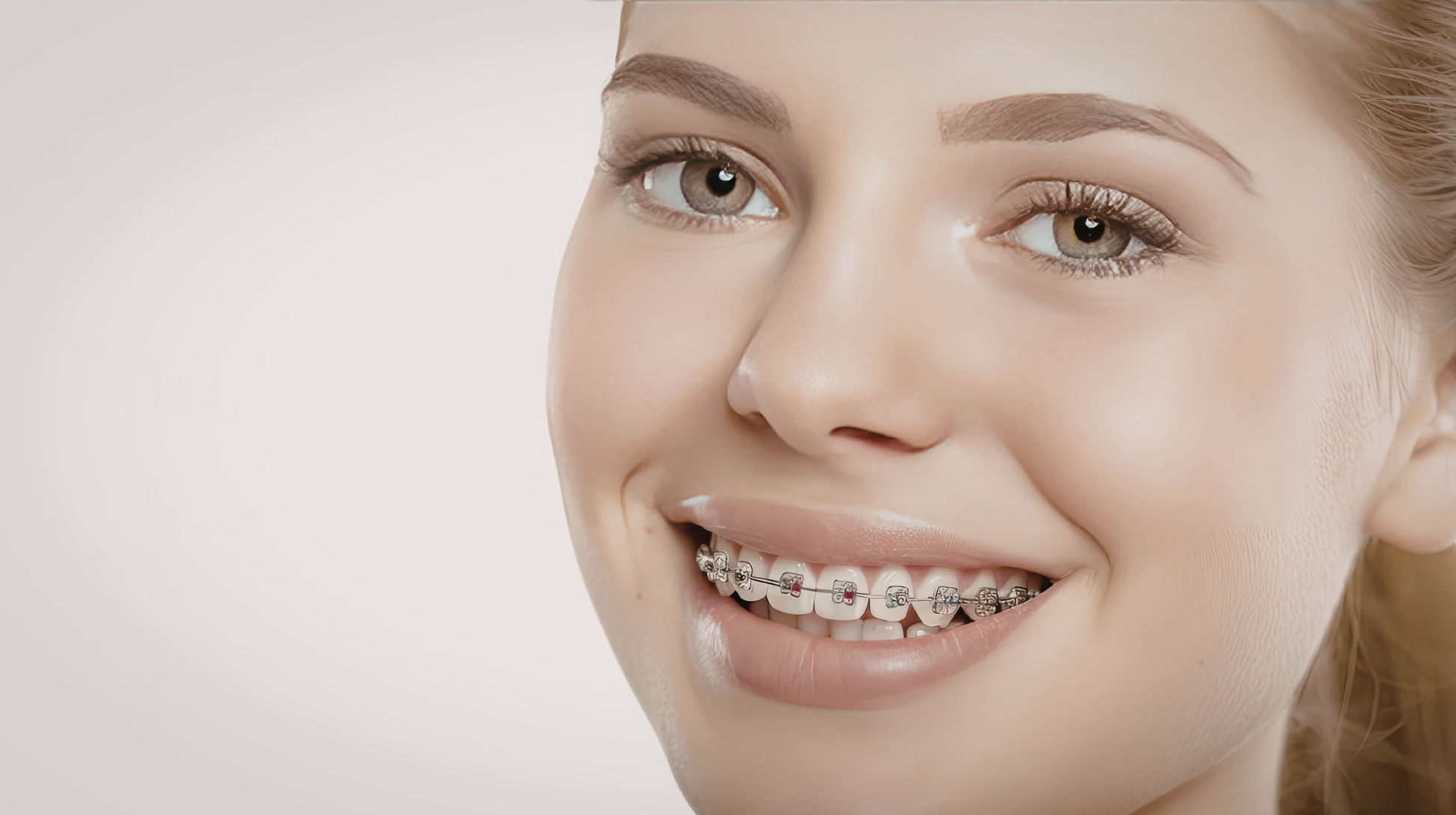
Honest answer: Invisalign isn’t always best. You should consider fixed braces if:
• Your case involves major rotations of certain teeth (especially premolars) or significant vertical tooth movement
• You suspect you won’t wear aligners 22 hours a day — compliance is everything
• You have several impacted teeth that need orthodontic help erupting
• You’re undergoing jaw surgery and the surgeon prefers fixed appliances
A great orthodontist will tell you when braces are the better tool for the job — even if you came in asking for Invisalign.
The honest stuff, from patients who’ve been through it:
• You will drink a lot more water. Coffee, tea, and wine stain the aligners, so most patients shift to water during the day.
• The first two days of each new tray feel snug — some call it pressure, some call it a dull ache. It fades quickly.
• You’ll get faster at putting them in and taking them out. By week three it’s automatic.
• You’ll think about your teeth more than you ever have. Most patients say they actually brush and floss better than before Invisalign.
• A small lisp can show up during the first week. It disappears on its own.
Curious whether Invisalign is right for you? Book a free consultation at Riverside Orthodontics in Ottawa. You’ll meet a certified orthodontic specialist, see a 3D preview of your potential new smile, and walk out with a written quote — no pressure to commit on the spot.