This guide walks you through exactly how to choose the right orthodontist for your family in Ottawa — what credentials actually matter, the questions most people forget to ask, and the quiet red flags worth paying attention to. Whether you’re thinking about Invisalign for yourself, braces for your teen, or an early evaluation for your seven-year-old, by the end of this article you’ll know exactly what to look for.
Search “orthodontist Ottawa” and you’ll scroll past dozens of clinics — and that’s before you even start wondering whether you should be seeing an orthodontic specialist in the first place, or whether your family dentist can handle straightening your teeth. It’s a fair question, and it’s one of the most common things we hear from new patients at Riverside Orthodontics.
This guide walks you through exactly how to choose the right orthodontist for your family in Ottawa — what credentials actually matter, the questions most people forget to ask, and the quiet red flags worth paying attention to. Whether you’re thinking about Invisalign for yourself, braces for your teen, or an early evaluation for your seven-year-old, by the end of this article you’ll know exactly what to look for.
Every orthodontist is a dentist, but only about 6% of dentists are orthodontists. After finishing dental school, an orthodontist completes an additional two to three years of full-time, accredited specialty training — roughly 4,800 extra hours — focused exclusively on tooth movement, jaw development, and bite correction.
General dentists are excellent at what they do: cleanings, fillings, crowns, and overall oral health. But when it comes to moving teeth through bone safely and predictably, an orthodontic specialist has trained for the job the way a cardiologist has trained for the heart. If you’re considering Invisalign or braces for anything more complex than minor cosmetic changes, a specialist will almost always deliver a cleaner, more stable result — and usually in less time.
In Ontario, only dentists who have completed this additional accredited training can call themselves an “orthodontist” or an “orthodontic specialist.” If a clinic markets itself as an “Invisalign provider” without clarifying who actually plans the treatment, it’s worth asking.
Quick check
Ask any prospective provider: “Are you a certified specialist in orthodontics recognized by the Royal College of Dental Surgeons of Ontario (RCDSO)?” If the answer is anything other than a clear yes, keep looking.
Look for the letters DDS or DMD followed by a specialty designation — usually M.Cl.D., MSc, or FRCD(C) in orthodontics. Also check whether the orthodontist pursues ongoing education beyond the required minimums. Techniques move fast, and the doctor treating you in 2026 should look nothing like the one treating you in 2006.
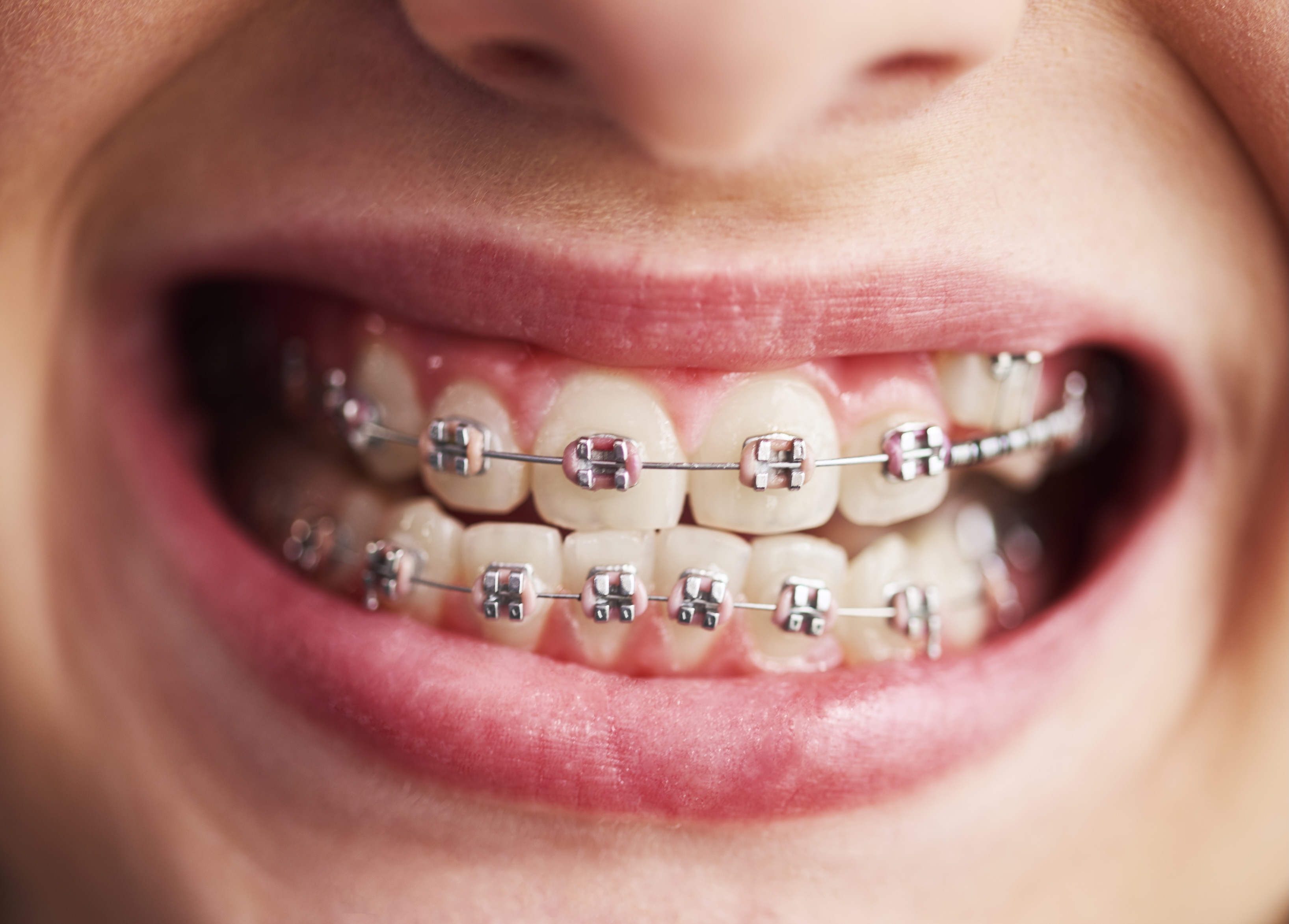
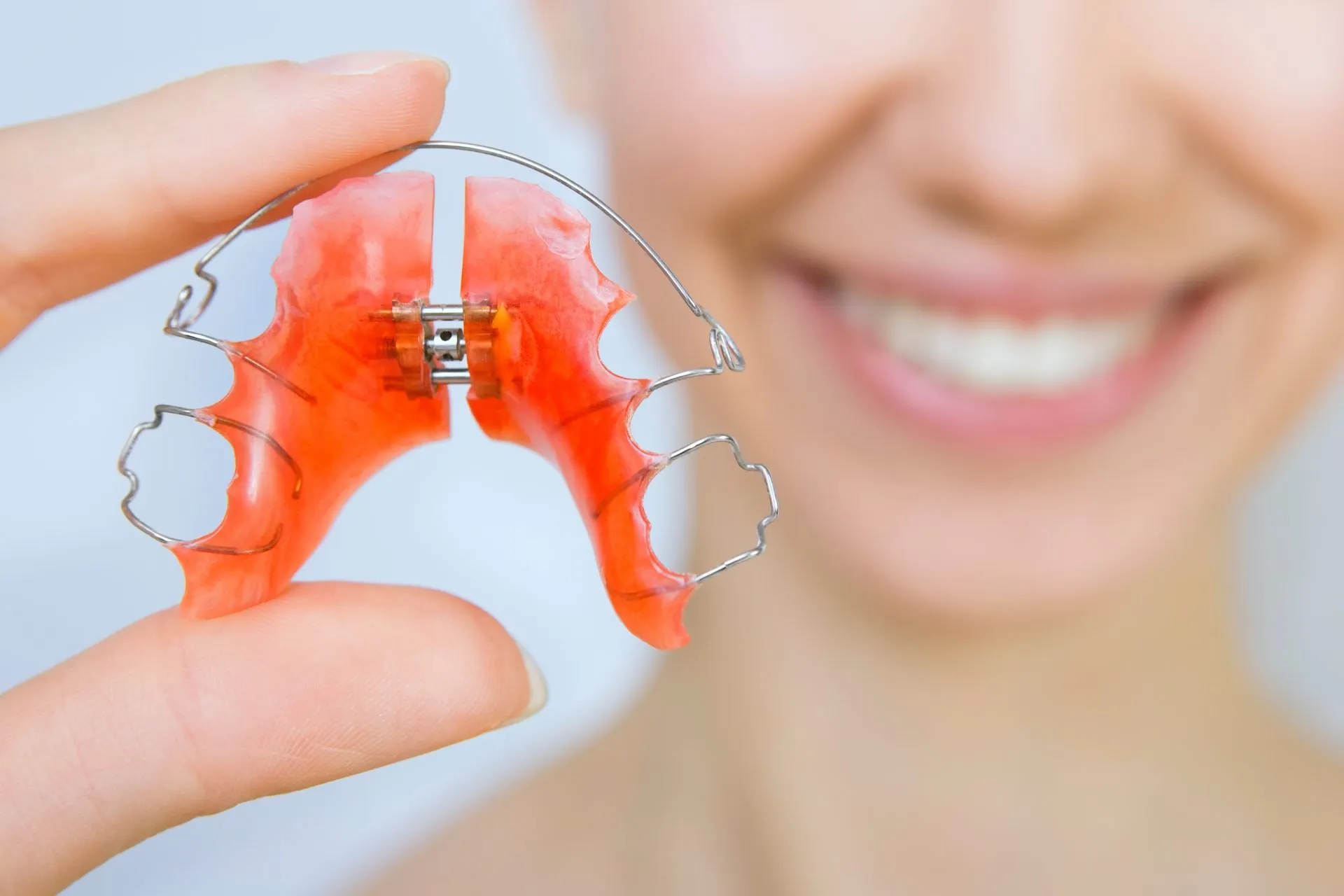
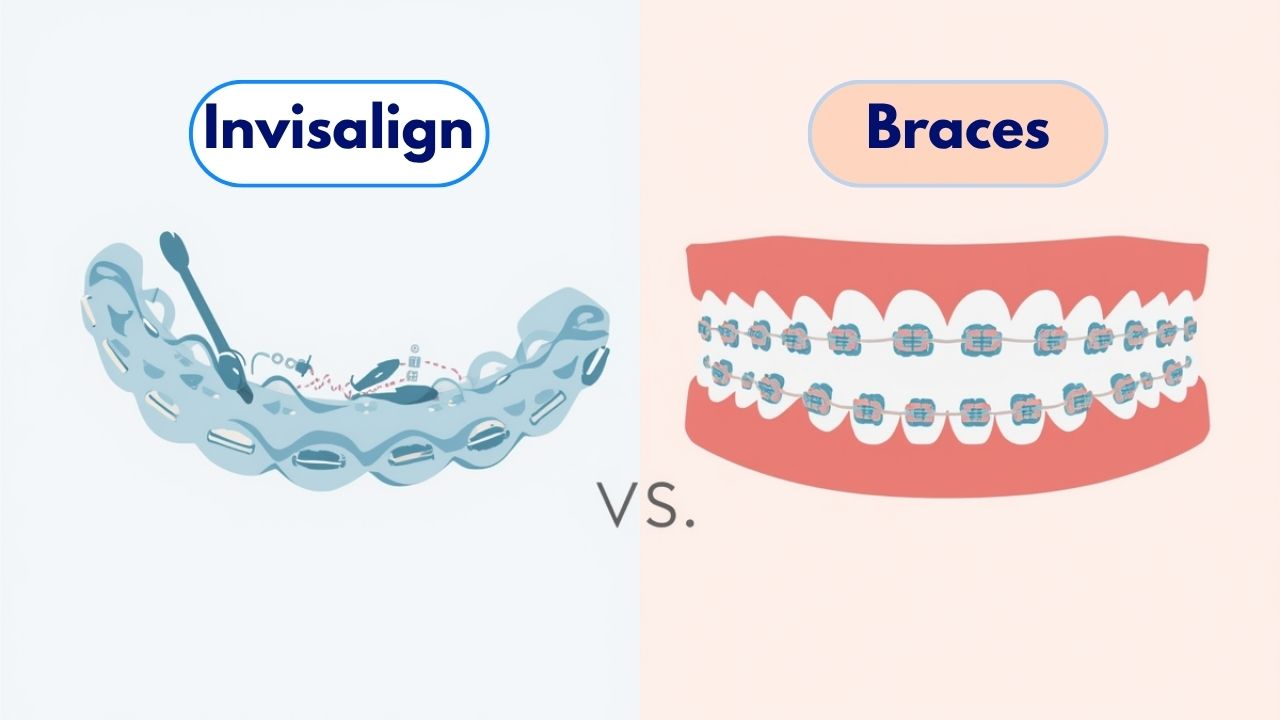
A good orthodontist is not a hammer looking for nails. The best Ottawa practices offer metal braces, ceramic braces, Invisalign, and (in some cases) lingual braces or early interceptive treatment for kids. If a clinic only recommends one type of treatment to every patient walking through the door, that’s a sign the clinic is selling what it has, not what you need.
Modern orthodontics is quietly high-tech. Look for 3D intraoral scanners (so you can skip goopy impressions), low-dose digital X-rays, and treatment planning software that lets you see a simulation of your final smile. These tools aren’t just for show — they meaningfully improve accuracy and shorten treatment time.
Ask for a full written quote including all retainers, adjustments, and follow-ups. A good Ottawa orthodontist will give you a single flat fee with zero surprises. Most also offer interest-free monthly payment plans — Riverside Orthodontics, for example, offers flexible plans with no interest and low or zero down payments.
Many Ottawa-area employer plans cover $1,500–$3,500 of orthodontic treatment per lifetime. A well-run clinic will submit claims directly on your behalf and follow up if anything is missed. If the office tells you to “deal with insurance yourself,” expect a headache.
Orthodontic treatment usually means an appointment every 6–10 weeks for 12–24 months. If the clinic can only see you between 9 and 4 on weekdays, that’s a real-life obstacle for working adults and school-age kids. Look for evening and weekend availability.
Even adult patients benefit from an office that feels calm, clean, and well-designed. For families, it matters even more — kids form their opinion of dental visits before the doctor walks in.
Read the five-star reviews, but also read the three-star ones. Patterns matter more than any single review. Look for words like “listened,” “took the time,” “never felt rushed,” and “explained everything.” Those three phrases are worth more than any marketing slogan.
A good orthodontist welcomes questions. Here are the ones patients forget to ask — and the answers that separate a great clinic from an average one.
• What are all of my treatment options, including the ones you don’t typically recommend for me, and why?
• How many cases like mine do you treat each year?
• What’s the total, all-in cost — and what exactly does that include?
• If I don’t wear my retainer and my teeth shift in five years, what does a touch-up cost?
• Who will I see at each visit — always you, or sometimes an assistant or another doctor?
• What happens if a bracket pops off on a Saturday morning?
• What does your retention protocol look like after active treatment ends?
Most Ottawa orthodontists are excellent. But a handful of patterns come up again and again in the second-opinion cases we see. Walk carefully if you notice any of these:
• A high-pressure sales pitch to sign the treatment contract on the same day as your consultation.
• A quote that seems dramatically lower than two other clinics you consulted — with no clear explanation why.
• No written post-treatment retention plan (retainers aren’t optional, they’re the reason treatment holds).
• Refusal to provide a copy of your records or X-rays if you ask.
• A doctor who spends less than ten minutes with you at the initial consultation.
Even with digital check-ins and shorter appointments, orthodontic treatment is local by nature. You’ll be coming in roughly eight to fifteen times over the course of treatment. Choosing a clinic that’s a quick drive from home, work, or your kid’s school makes a bigger difference than most people realize.
If you live in Riverside South, Barrhaven, Manotick, Findlay Creek, Greely, or along the Airport Parkway, a clinic based in south-end Ottawa will save you significant driving over two years. That’s not a minor convenience — it’s often the difference between keeping appointments and letting treatment drift off schedule.
Use this section as-is for on-page FAQ content and wrap with FAQPage JSON-LD schema for better SERP visibility.
No. In Ontario, you do not need a referral from your family dentist to see an orthodontist. You can book a consultation directly. That said, if your dentist has noticed a specific issue and shared X-rays, bringing those with you can save time.
At many Ottawa clinics — including Riverside Orthodontics — the initial consultation is complimentary and includes a clinical exam, photos, a brief discussion of treatment options, and a written quote. A full diagnostic records appointment with X-rays and 3D scans is typically a separate step, but often included when you start treatment.
Most cases take 12 to 24 months. Very minor cases can be finished in 6 months with express Invisalign. Complex cases involving jaw surgery or significant crowding can run 24–30 months. Your orthodontist should give you a realistic range at your first visit.
The Canadian Association of Orthodontists recommends a first check-up around age 7. That doesn’t mean treatment starts at 7 — most kids wait until 10–13 — but early evaluation lets your orthodontist catch jaw issues while they’re still easy to guide.
Yes, although it’s not ideal. If you move or are genuinely unhappy with your current provider, a new orthodontist can take over. Expect a one-time transfer fee and a fresh set of records. The sooner you switch, the smoother the handoff.
If you’re in Ottawa and ready to explore your options, Riverside Orthodontics offers complimentary consultations with a certified orthodontic specialist — no referral, no pressure, and a written quote you can take home. Book your visit online or call us directly and we’ll find a time that fits your schedule.