Teeth are held in place by the periodontal ligament, a connective tissue network that attaches each tooth root to the surrounding bone. Orthodontic treatment moves teeth by gradually remodelling this tissue. Once treatment ends, those ligaments have a strong tendency to try to pull things back toward where they started. Without retainers, teeth shift.
Here's the part of orthodontic treatment that surprises a lot of patients: it doesn't really end when the braces come off.
Teeth are held in place by the periodontal ligament, a connective tissue network that attaches each tooth root to the surrounding bone. Orthodontic treatment moves teeth by gradually remodelling this tissue. Once treatment ends, those ligaments have a strong tendency to try to pull things back toward where they started. Without retainers, teeth shift.
This isn't a scare tactic. It's biology. And it means that retention isn't the epilogue to orthodontic treatment, it's the chapter that determines whether the results last.
The research on this is clear: most patients experience some degree of relapse within a few years of stopping retainer wear. The front teeth, especially the lower front teeth, are the most susceptible. The crowding that took 18 months of braces to correct can largely return within two to three years without proper retention.
This is so well-established in orthodontics that the standard of care now recommends retainer wear for life, not just for a year or two.
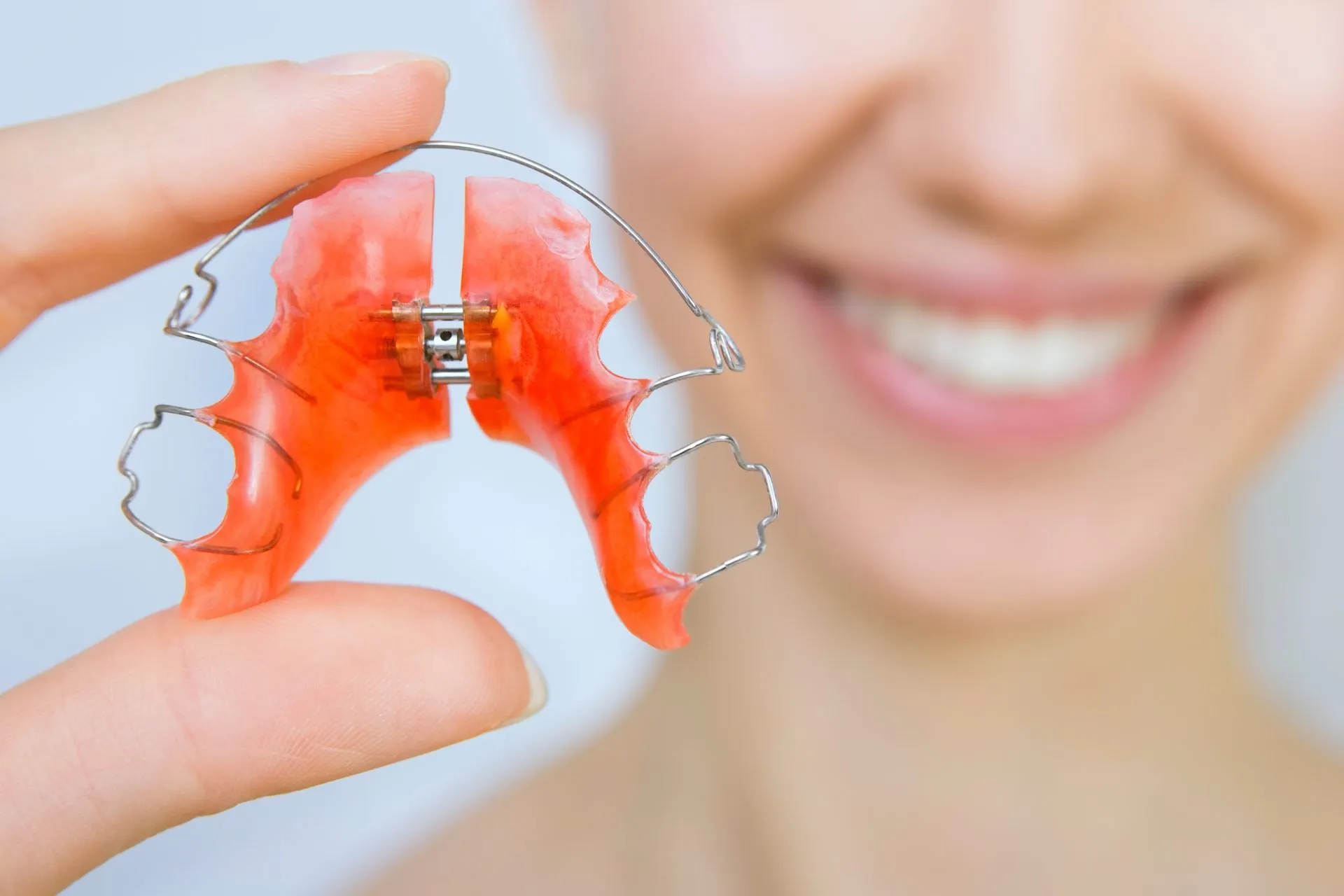
The classic retainer: a hard plastic plate with a wire that runs across the front of the teeth. Durable, adjustable, and easy to clean. The most common removable option for many years. Can be bulky, and the wire is visible.
A thin transparent tray, similar in appearance to an Invisalign aligner. More discreet than the Hawley, comfortable to wear, and generally the preference of adults. Less durable, needs replacing every year or two with regular wear.
A thin wire bonded to the inside surfaces of the lower (and sometimes upper) front teeth. It's permanent, invisible, and requires zero daily effort from the patient. The downsides: it makes flossing slightly more involved, and if it debonds on one end without the patient noticing, teeth can shift before it gets repaired.
Many patients end up with a combination: a fixed wire on the lower front teeth (where relapse risk is highest) and a removable clear retainer for the upper arch.
After treatment ends, most orthodontists recommend full-time retainer wear, day and night, removed only for eating and brushing, for the first 3 to 6 months. After that, nights-only wear is standard. The key word is nights-only, meaning every night, indefinitely.
A lot of patients interpret 'nights-only' as 'I'll wear them when I remember.' The teeth notice the difference.
If you've lost or stopped wearing a retainer and it no longer fits, don't force it — this can cause more harm than good. Contact your orthodontist. Depending on how much movement has occurred, options range from having a new retainer made (which will hold current position rather than correcting the shift) to a short course of refinement aligners to recover the original result.
The sooner you address it, the simpler and less expensive the fix.
Removable retainers: rinse after removing. Brush with a soft toothbrush and mild soap or specialized retainer cleaner. Avoid hot water, it can warp the plastic. Don't wrap them in a napkin at restaurants (this is how most retainers get thrown out). Keep them in the case when not in your mouth.
Fixed retainers: use a floss threader or water flosser to clean between teeth where the wire sits. See your dentist for regular cleanings and mention the bonded wire so they can check it.
Adults who start orthodontic treatment often ask whether their teeth will shift back as quickly as a teenager's. The short answer is no, adult bone remodels more slowly, which actually means teeth move more slowly during treatment and also tend to shift back more slowly without retainers. But they do shift. The permanence of retention applies at every age.
Book a free consultation at Riverside Orthodontics in Gloucester, Ottawa. Call 613-907-5411 or visit riversideorthodontics.ca