At around age 7, most children have their first permanent molars and incisors coming in. This gives an orthodontist enough information to evaluate how the bite is developing, whether the jaw is growing symmetrically, and whether there's enough space for the remaining permanent teeth.

If you've ever watched your child's teeth come in and thought something looks off, you're not imagining things. A lot of orthodontic issues start showing up early — sometimes as early as age 5 or 6. The question is what to do about it, and when.
Here's the straightforward answer: the Canadian and American Associations of Orthodontists both recommend that children have an orthodontic evaluation by age 7. Not because treatment starts at 7 — it usually doesn't — but because some problems are much easier to correct while the jaw is still growing.
At around age 7, most children have their first permanent molars and incisors coming in. This gives an orthodontist enough information to evaluate how the bite is developing, whether the jaw is growing symmetrically, and whether there's enough space for the remaining permanent teeth.
It's essentially a planning checkpoint. The vast majority of 7-year-olds who come in for an evaluation don't need any treatment — they just need to be monitored every 12 to 18 months until the time is right. But the minority who do have a developing issue benefit enormously from catching it early.
When upper teeth sit inside the lower teeth on one or both sides. Left untreated, crossbites can cause the jaw to shift to one side as it grows, leading to asymmetry that's much harder to correct later. Treated early with an expander, the outcome is usually excellent.
When the lower jaw protrudes in front of the upper jaw. In younger patients, this is usually a jaw growth issue that responds well to early intervention. In adults, it may require surgery to correct.
When there clearly isn't space for incoming permanent teeth. An orthodontist can guide jaw expansion or strategic extractions of baby teeth to create room, which can simplify — or sometimes eliminate — the need for comprehensive treatment later.
Prolonged thumb-sucking or pacifier use past age 4, and mouth breathing, can affect how the upper jaw develops. Early orthodontic intervention, sometimes combined with myofunctional therapy, can reduce the impact.
You may hear the term Phase 1 or early interceptive treatment. This refers to limited orthodontic treatment done before all the permanent teeth are in, usually between ages 7 and 10.
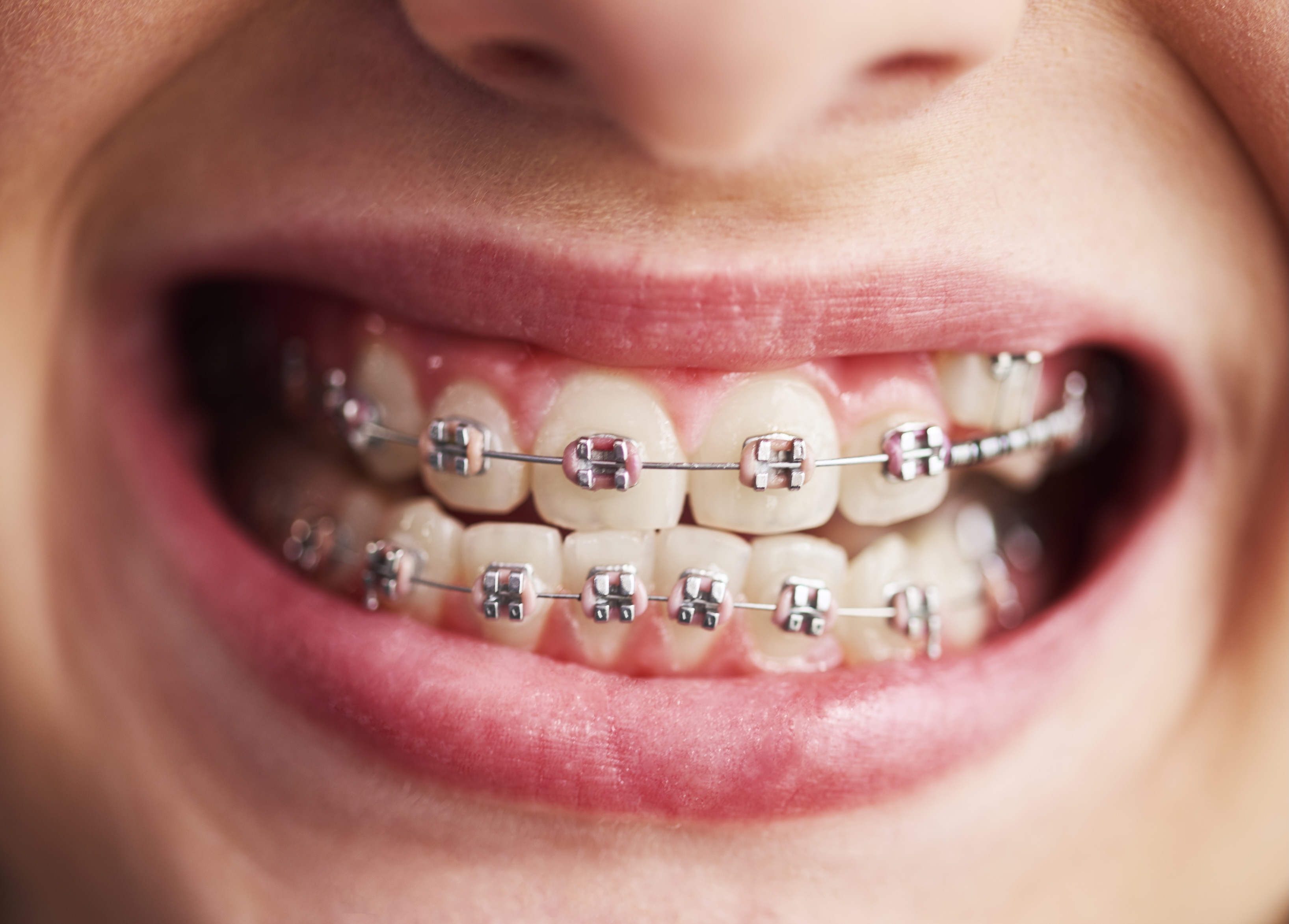
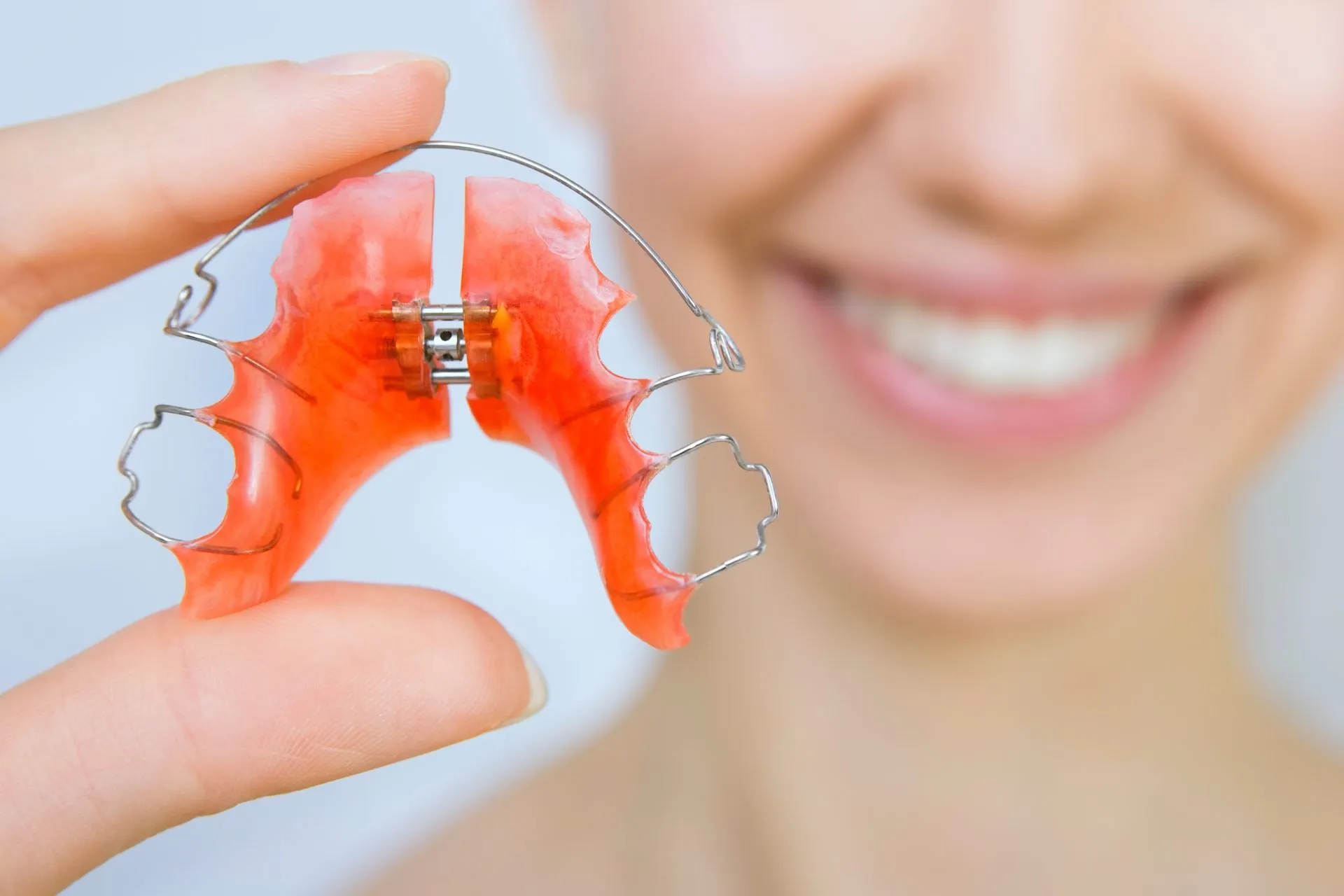
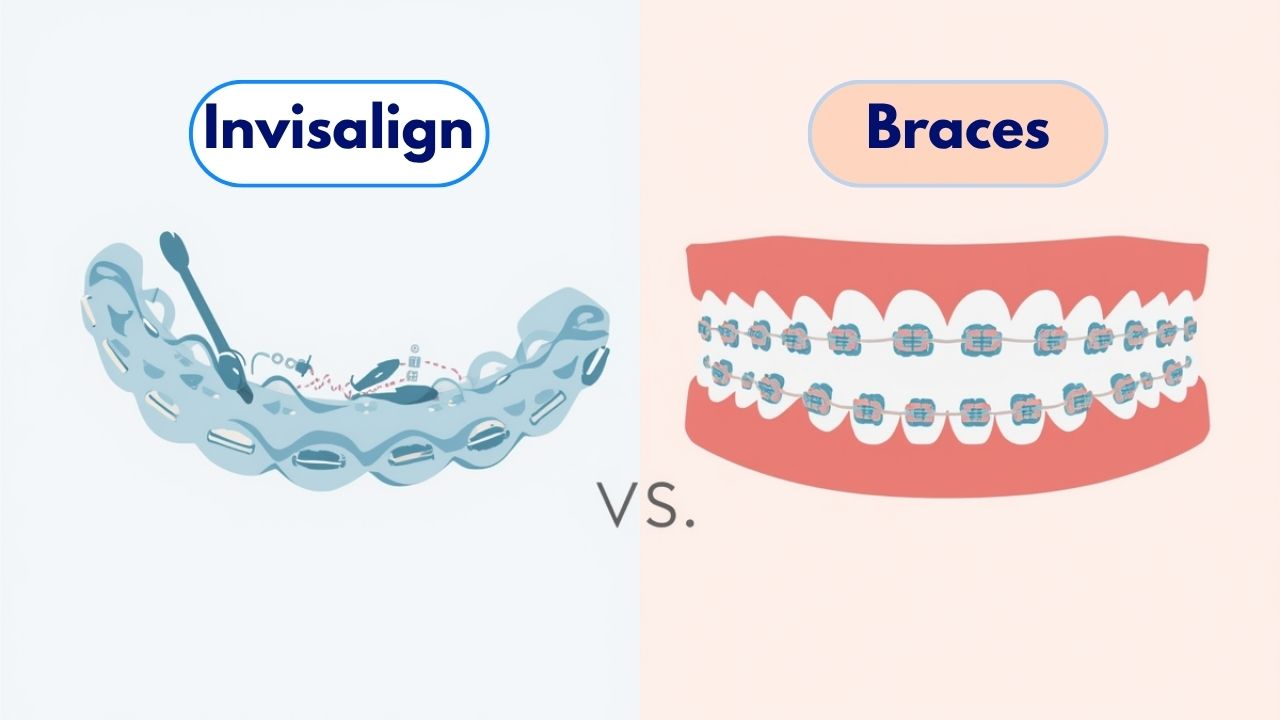
Phase 1 treatment doesn't mean your child gets full braces at age 8. It usually involves appliances like a palatal expander, partial braces on specific teeth, or space maintainers. The goal is to address specific developmental issues — not to fully align all the teeth, which happens in Phase 2 (full braces or aligners) once all the permanent teeth are present.
Not every child needs Phase 1. A good orthodontist will be honest about when early treatment genuinely changes the outcome versus when it's better to wait and monitor.
For most children, the right time for comprehensive orthodontic treatment is between ages 11 and 14, once most of the permanent teeth have come in. The jaw is still growing, which makes tooth movement efficient, and children this age are generally ready to manage the responsibility of orthodontic care.
Girls tend to develop a bit earlier than boys, so girls sometimes start treatment at 10 or 11 while boys might be 12 or 13.
Early or late loss of baby teeth. Difficulty biting or chewing. Mouth breathing and snoring. Teeth that are very crowded, crooked, or blocked out. Upper and lower teeth that don't meet in an obvious way. Jaw that shifts or clicks. Speech issues or a lisp. Any of these is worth mentioning at your next dental check-up — or reason enough to book an orthodontic consultation directly.
At Riverside Orthodontics, the consultation for children is free and low-key. Dr. Issam will look at the child's teeth, take a few photos, and have a conversation with you about what he's seeing. If everything looks on track, you'll leave with the knowledge that things are developing normally and a recommendation to check back in 12 to 18 months. If he spots something worth addressing, he'll explain what it is, why it matters, and what the options are — with no pressure to make any decision on the spot.
For most children, the visit is reassuring. For the ones who need early attention, catching it now genuinely makes a difference.
Book a free consultation at Riverside Orthodontics in Gloucester, Ottawa. Call 613-907-5411 or visit riversideorthodontics.ca